In-Ground Storm Shelters: Safe, Secure, and Smart

The Importance of an In-Ground Storm Shelter in Alabama Weather
Alabama residents know how quickly skies can shift from calm to catastrophic during peak tornado season. When warnings hit, there is rarely time to think, only time to act. That is why having an in-ground storm shelter is more than a convenience, it is a life-saving investment for families seeking reliable protection during severe weather.
Many homeowners rely on hallways, bathrooms, or makeshift safe spaces, but these cannot match the structural security of a reinforced underground storm shelter. If you have ever worried about where you would go during the next tornado watch, you are not alone. Thousands of Alabama families now prioritize durable, permanent storm protection for year-round safety.
In this article, you will learn why choosing an in ground storm shelter is one of the smartest safety upgrades available, along with how these shelters work, what installation involves, and which features matter most. By the end, you will feel confident assessing your options and taking the next steps toward securing your family.
Let’s explore why inground storm shelters are such a dependable solution for Alabama homes.
Why In-Ground Storm Shelters Matter for Alabama Homes
Alabama consistently ranks among the states with the highest number of tornadoes and severe storm events. Homeowners need more than temporary protection. They need a reliable refuge that can withstand extreme winds, flying debris, and potential structural collapse. An in-ground storm shelter offers this level of security in a way above-ground options cannot replicate.
Because the shelter is buried below the earth’s surface, it benefits from natural reinforcement that reduces exposure to wind pressure and high-speed impact. This makes it an excellent long-term protective solution for families, especially those with children, elderly relatives, or mobility challenges.
Key benefits include:
• Lowered exposure to direct wind force and debris impact
• Long-term safety due to reinforced underground construction
• Immediate, close-to-home access during sudden storms
• Increased property value through a permanent safety upgrade
Many homeowners assume underground storm shelters are complicated or expensive, but advancements in materials and installation methods have made them more accessible than ever. Their popularity continues to grow throughout Alabama’s storm-prone communities.
Everything You Need to Know About Choosing the Right Shelter
Choosing an in-ground storm shelter involves evaluating materials, design, features, and installation considerations. Understanding these elements helps you select a shelter that provides long-lasting protection and reliable performance.
Understanding Shelter Types and Features
The first step is choosing the right type of in ground storm shelters for your home and family needs. Many units are built using precast concrete, while others use reinforced steel or composite materials designed to resist corrosion and pressure. The best option often depends on your soil type, yard space, and preferred access layout.
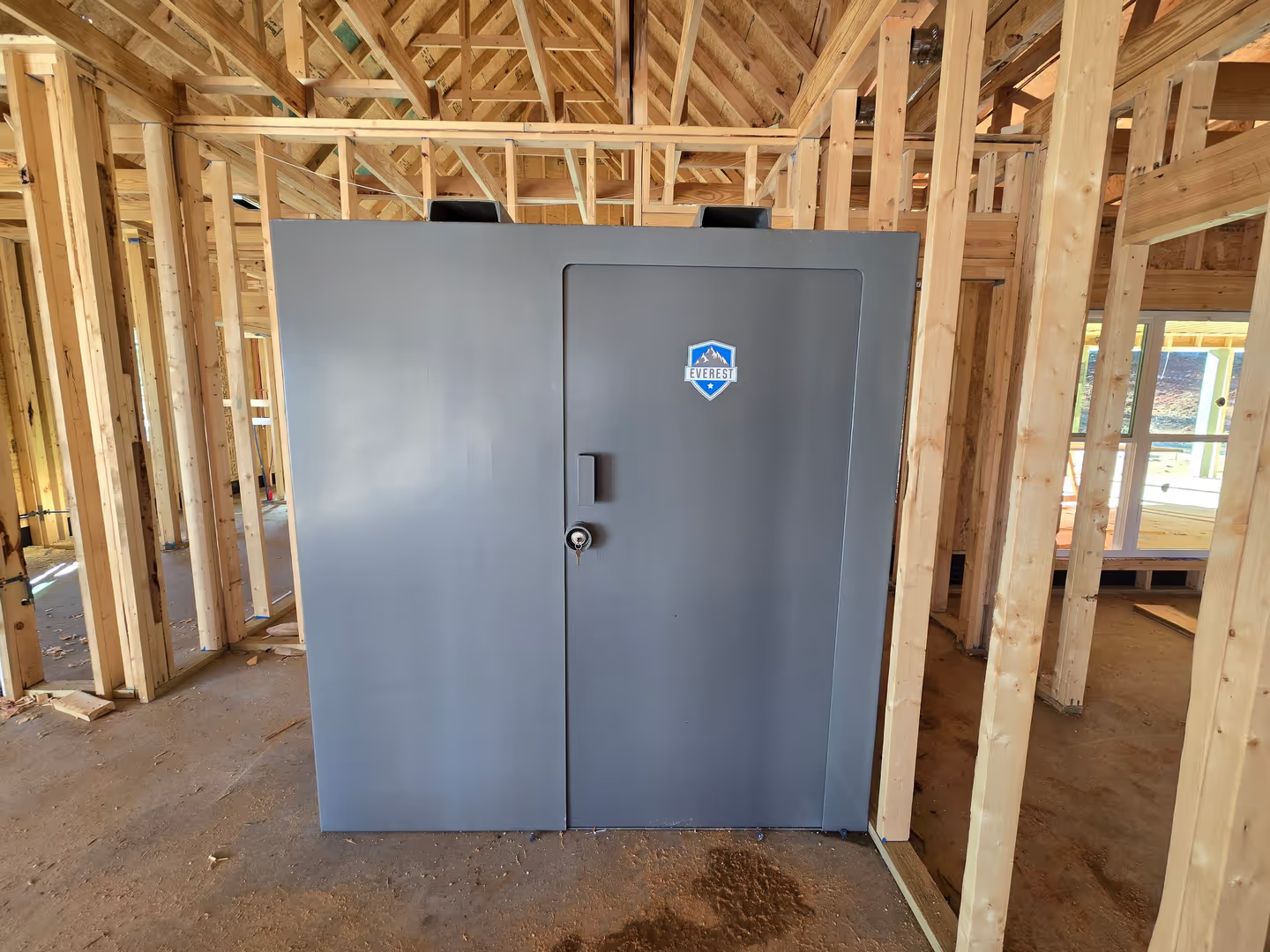
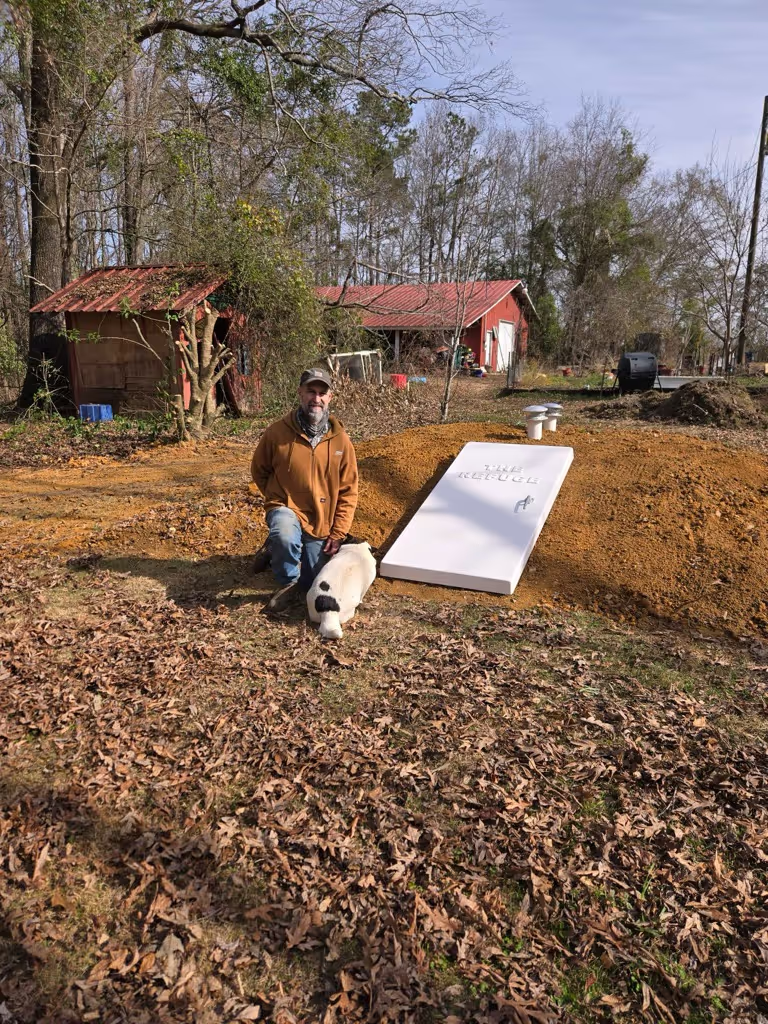
Most Alabama homeowners choose either a below-ground garage shelter or a backyard earth-embedded model. Garage units offer quick, weather-protected access, while backyard models are ideal when garage space is limited. Both designs deliver strong structural stability and exceptional storm protection.
Look for shelters that meet FEMA criteria, feature pressure-tested doors, and include effective ventilation systems. These elements ensure that your underground storm shelters remain safe, breathable, and structurally sound. Guidance from organizations like FEMA can help verify trusted options.
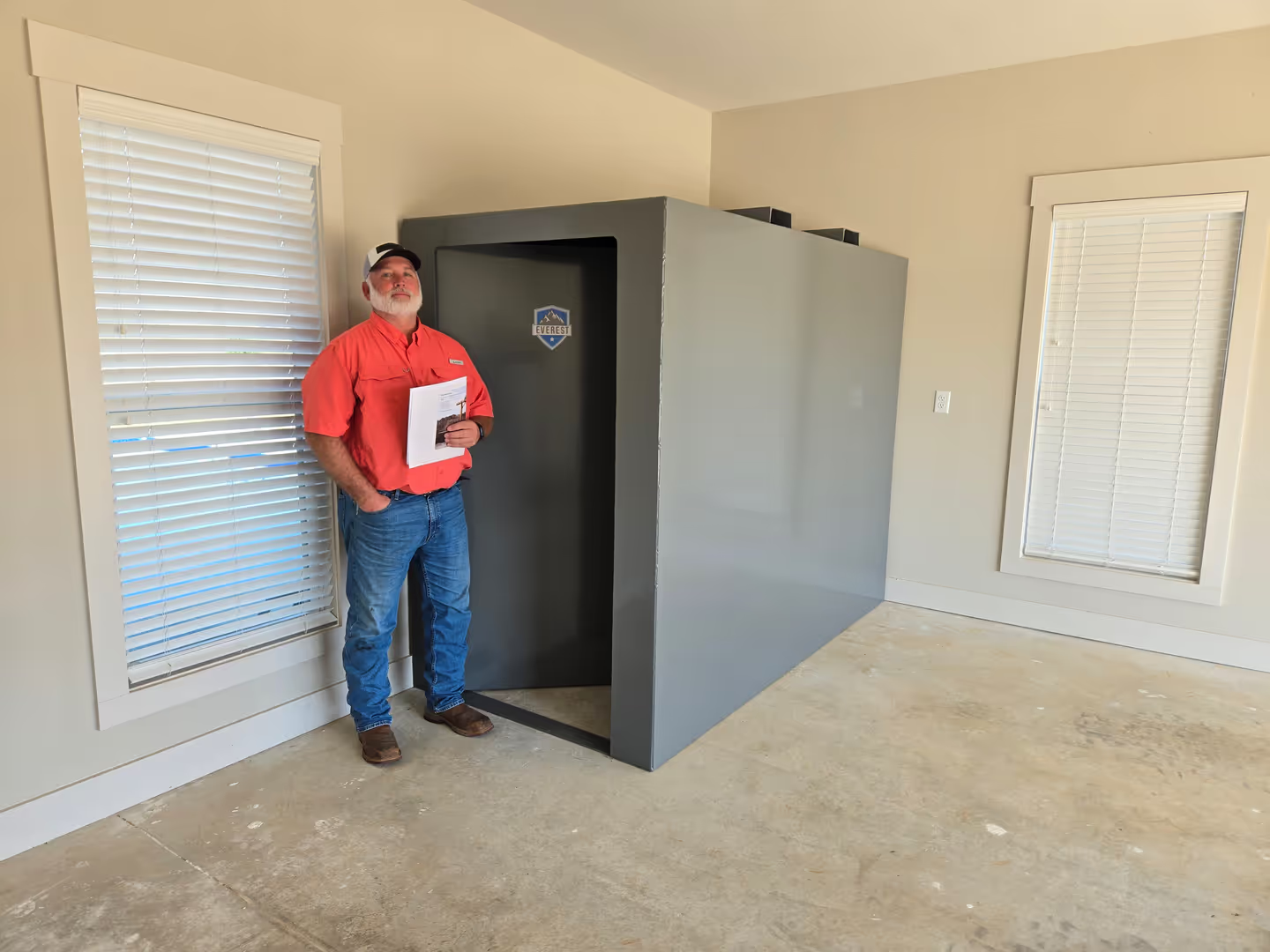
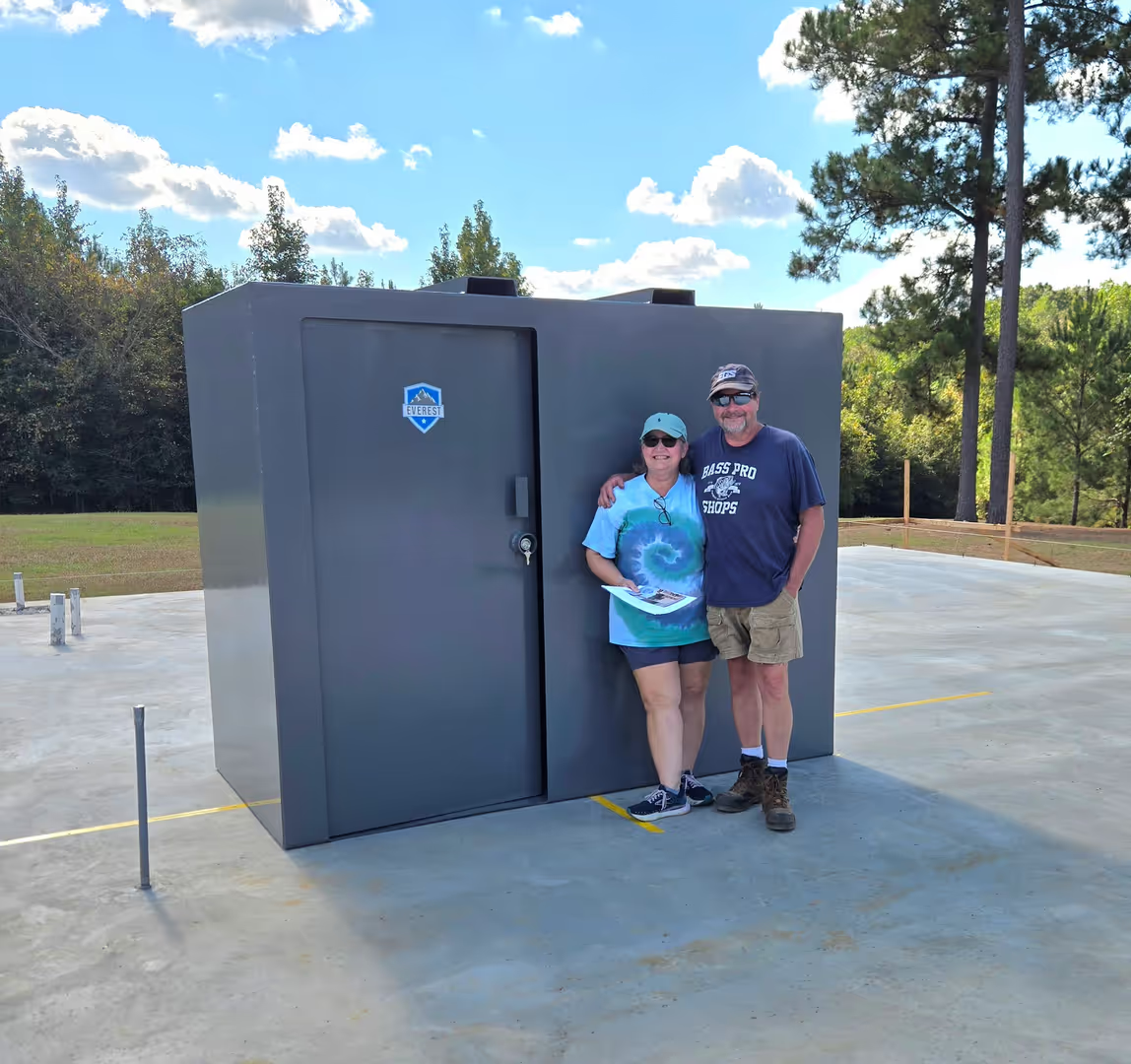
For additional safe-room alternatives, you can explore reinforced secure room designs that offer above-grade protection.
Evaluating Proper Site Preparation Requirements
Before installation, the site must be evaluated for soil stability, drainage performance, and proper depth. Alabama’s diverse soil conditions, ranging from dense clay to loose sand, require careful assessment to avoid issues like flooding or shifting over time.
Certified installers review slope, grade, and natural water flow to determine the safest shelter placement. Proper excavation ensures the unit sits securely and remains stable during heavy rainfall. Drainage planning is especially important in low-lying or high-moisture areas.
Homeowners should also plan for quick access. A shelter that is too far from entry points or blocked by vehicles can create unnecessary risks. The right preparation ensures your inground storm shelters remain safe, secure, and easy to reach.
You can explore professionally documented installation examples through this underground shelter installation guide.
Understanding Installation Steps and Timelines
Once preparation is complete, installation typically progresses quickly. Most in-ground storm shelters can be installed within one to two days, depending on size and soil conditions. The process begins with excavation and continues with shelter placement using specialized equipment.
After the unit is positioned, crews backfill the surrounding space, secure the structure, and level the entrance to ensure proper sealing. Ventilation, drainage systems, and access features are tested carefully. A final inspection confirms compliance with FEMA guidelines and local standards.
Homeowners can begin using the shelter immediately after installation, providing instant peace of mind. The process is efficient, minimally disruptive, and designed for long-term reliability.
To review additional underground options, see these in-ground shelter designs.
Real-Life Applications and Practical Use Cases
In-ground storm shelters offer practical benefits in real-world situations. Families across Alabama rely on these shelters not only for protection but for peace of mind during unpredictable weather.
Use Case 1
A family in central Alabama reduced emergency evacuation time from five minutes to under thirty seconds with an in-ground garage shelter. The convenient placement made it easy for elderly relatives to reach safety quickly during tornado warnings.
Use Case 2
A rural homeowner near Lake Martin used a backyard in ground tornado shelter to protect family members and family pets during multiple storm alerts. The unit allowed everyone to gather in one secure place without exposure to dangerous winds.
Use Case 3
A small business owner installed an underground tornado safe room behind their commercial property. This provided employees with reliable protection during storms and allowed operations to continue safely once conditions improved.
Best Practices and Common Mistakes to Avoid
Proper planning and maintenance help ensure your in-ground storm shelter performs reliably for years. Avoiding common mistakes can significantly improve safety and structural performance.
Choose FEMA-Tested Materials Only
Shelters that meet FEMA impact and pressure standards provide higher levels of safety and durability. These models ensure maximum protection, even during EF4 and EF5 tornadoes. Resources from FEMA offer valuable guidance.
Prioritize Proper Drainage Solutions
Standing water poses major risks to underground storm shelters. Gravel bases, French drains, and sump systems help prevent moisture buildup and maintain long-term usability.
Maintain Clear Emergency Access
Keep the shelter entrance free from vehicles, tools, or storage bins. Clear access ensures you can enter quickly during an emergency.
Schedule Annual Inspections and Upkeep
Door seals, ventilation systems, hardware, and internal components should be inspected each year. Routine maintenance ensures your in ground storm shelter remains reliable and debris resistant.
Consider Soil and Site Conditions
Some areas require deeper anchoring or reinforced construction practices. Professional assessment ensures your shelter remains structurally sound under local soil pressures.
Guidance from organizations like Ready.gov and the National Weather Service provides additional safety recommendations.
Your Next Steps Toward Complete Safety
In-ground storm shelters offer unmatched protection for Alabama homeowners who need a reliable refuge during tornado season. Their strong construction, accessibility, and FEMA-approved designs make them one of the smartest investments for long-term safety.
By choosing the right model, materials, and installer, you can protect your family while enhancing your property value. With clear knowledge of features, installation steps, and maintenance, you are ready to take the next step toward complete storm preparedness.
If you want to explore professional-grade installation options, you can review durable models such as reinforced above-ground storm shelters or unpainted concrete units as complementary alternatives. Community-wide solutions are also available through local storm shelter programs.
Frequently Asked Questions
1. How safe is an in-ground storm shelter during a tornado?
An in-ground storm shelter is one of the safest places to be during a tornado because it is below ground level, reducing exposure to wind, debris, and structural collapse. FEMA-approved models are rigorously tested for impact and pressure resistance.
2. What does an in-ground storm shelter cost in Alabama?
Most homeowners pay between $4,500 and $8,500, depending on materials, soil conditions, and installation requirements. Additional drainage features may influence underground storm shelter cost.
3. How long does installation usually take?
Most units can be installed within one to two days. Excavation, shelter placement, and backfilling are completed efficiently, allowing immediate use.
4. Can in-ground storm shelters flood during heavy rain?
With proper drainage systems and site preparation, flooding risks are significantly reduced. Installers evaluate soil and water flow to ensure long-term dryness and safety.
5. Do I need a permit for an in-ground storm shelter?
Some Alabama counties require building permits. Your installer can verify local regulations and handle compliance to ensure smooth installation.
.webp)