Storm Shelter Myths Debunked: Separating Fact from Fiction

The Cost of Believing in Myths
We have all heard safety advice that sounds reasonable but turns out to be dangerously wrong. Some people still believe opening windows during a tornado equalizes pressure, or that standing in a doorway provides meaningful protection. These ideas persist because they are repeated, not because they are true.
When it comes to storm shelter myths, the consequences of misinformation are far more serious. Families delay installing shelters because they believe tornadoes will never hit their area, that shelters fail in strong storms, or that closets and bathtubs are just as safe. Others question whether storm shelters work at all, asking are storm shelters safe or are tornado shelters safe without finding reliable answers.
The reality is sobering. Tornadoes do not follow predictable paths, and extreme wind events are becoming more widespread. Making safety decisions based on myths rather than facts can leave people exposed during the most critical moments.
This guide breaks down the most common storm shelter myths, explains how different shelter types actually perform, and gives you clear, evidence-based information to help you protect your family with confidence.
Myth #1: “Storm Shelters Are Only for Tornado Alley”
Fact: Storm Shelters Protect Lives Nationwide
One of the most persistent storm shelter myths is that only people living in traditional Tornado Alley need protection. While states like Oklahoma and Kansas experience frequent tornadoes, they are not the only areas at risk.
Tornadoes have been documented in all 50 states. In recent years, powerful storms have impacted Kentucky, Tennessee, Alabama, Mississippi, and parts of the Southeast and Midwest where residents once felt relatively safe. Hurricane-spawned tornadoes and intense straight-line winds further expand the risk.
Shifting climate patterns are making storms stronger and less predictable. Relying on geography alone is no longer a reliable safety strategy.
Professionally engineered shelters, including residential safe rooms, provide consistent protection regardless of location. Learn more about certified safe rooms designed for extreme storms that offer year-round peace of mind.
Bottom line: Tornado risk is national, not regional. Storm shelters are a smart investment everywhere.
Myth #2: “A Bathtub or Closet Is Just as Safe”
Fact: Only Reinforced Shelters Are Designed for Tornado Forces
Emergency guidance often suggests using interior rooms if no shelter is available. While this is better than staying near windows, it has led many homeowners to believe closets and bathtubs are equivalent to shelters.
They are not.
Interior rooms are not engineered to withstand extreme winds or flying debris. In violent tornadoes, entire homes can be lifted or torn apart. When that happens, bathtubs and closets provide little protection.
This is why people ask do tornado shelters work. Properly designed shelters do. FEMA-compliant shelters are tested to withstand wind speeds exceeding 250 mph and impacts from large debris traveling at high velocity.
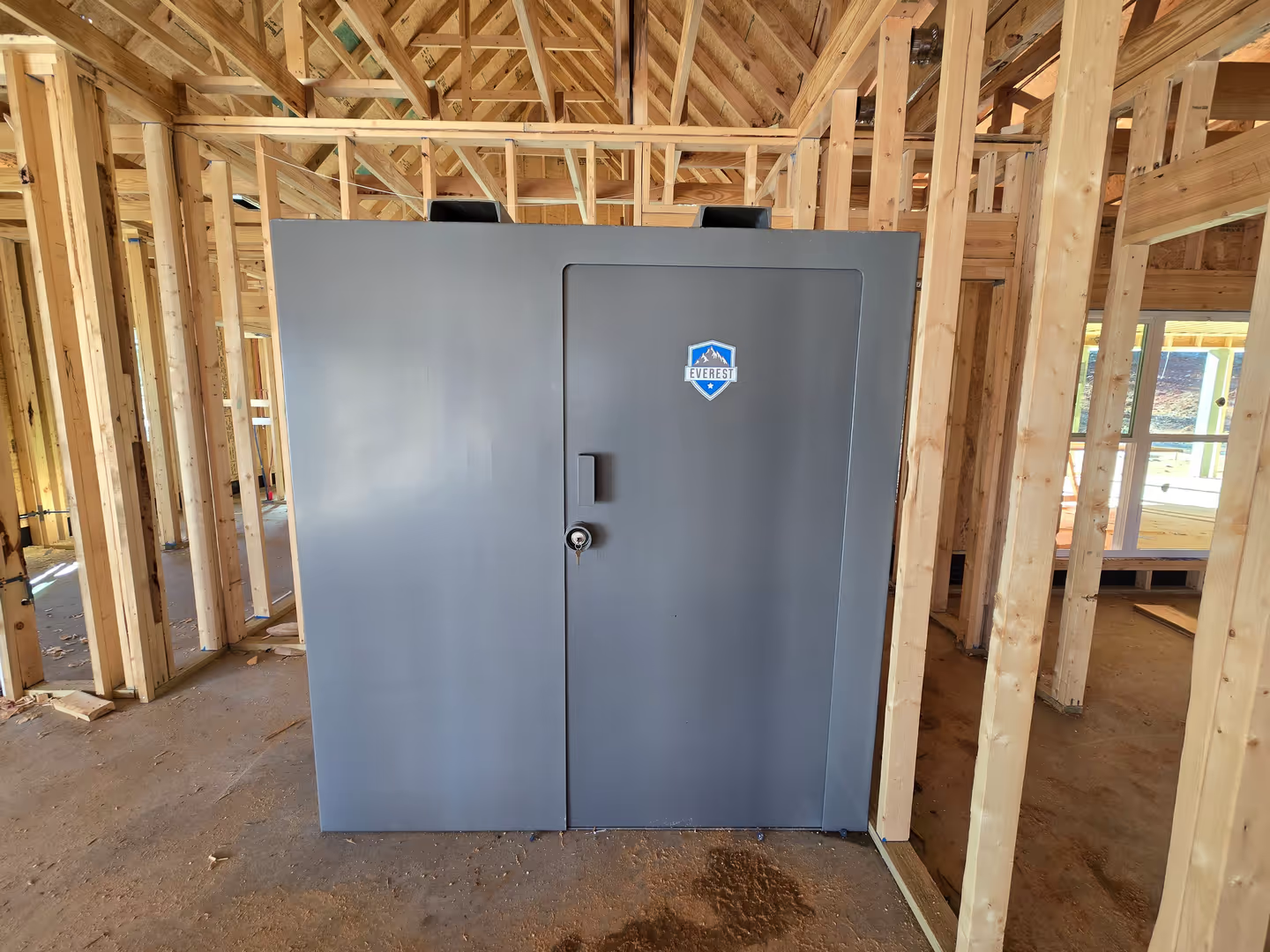
Both above-ground storm shelters and underground models are built specifically to survive these conditions.
Bottom line: Interior rooms are a last resort. Storm shelters are engineered protection.
Myth #3: “Basements Are Always Safe During a Tornado”
Fact: Basements Help, but They Are Not Foolproof
Basements are safer than upper floors, but they are not guaranteed protection. Many homeowners wonder whether basements alone are enough to survive a tornado.
Basements can flood, collapse, or become filled with debris if the structure above fails. Standard basement walls are not reinforced to resist debris traveling at extreme speeds, and exits can become blocked.
Dedicated underground storm shelters are designed differently. They use reinforced concrete or steel, impact-rated doors, and structural anchoring meant to remain intact even if the surrounding home is destroyed.
Bottom line: Basements reduce risk, but purpose-built shelters save lives.
Myth #4: “Above-Ground Storm Shelters Don’t Really Work”
Fact: Properly Built Above-Ground Shelters Are Extremely Safe
One of the most common fears involves above-ground shelter performance. People search for above ground tornado shelter failure and assume these shelters are unsafe.
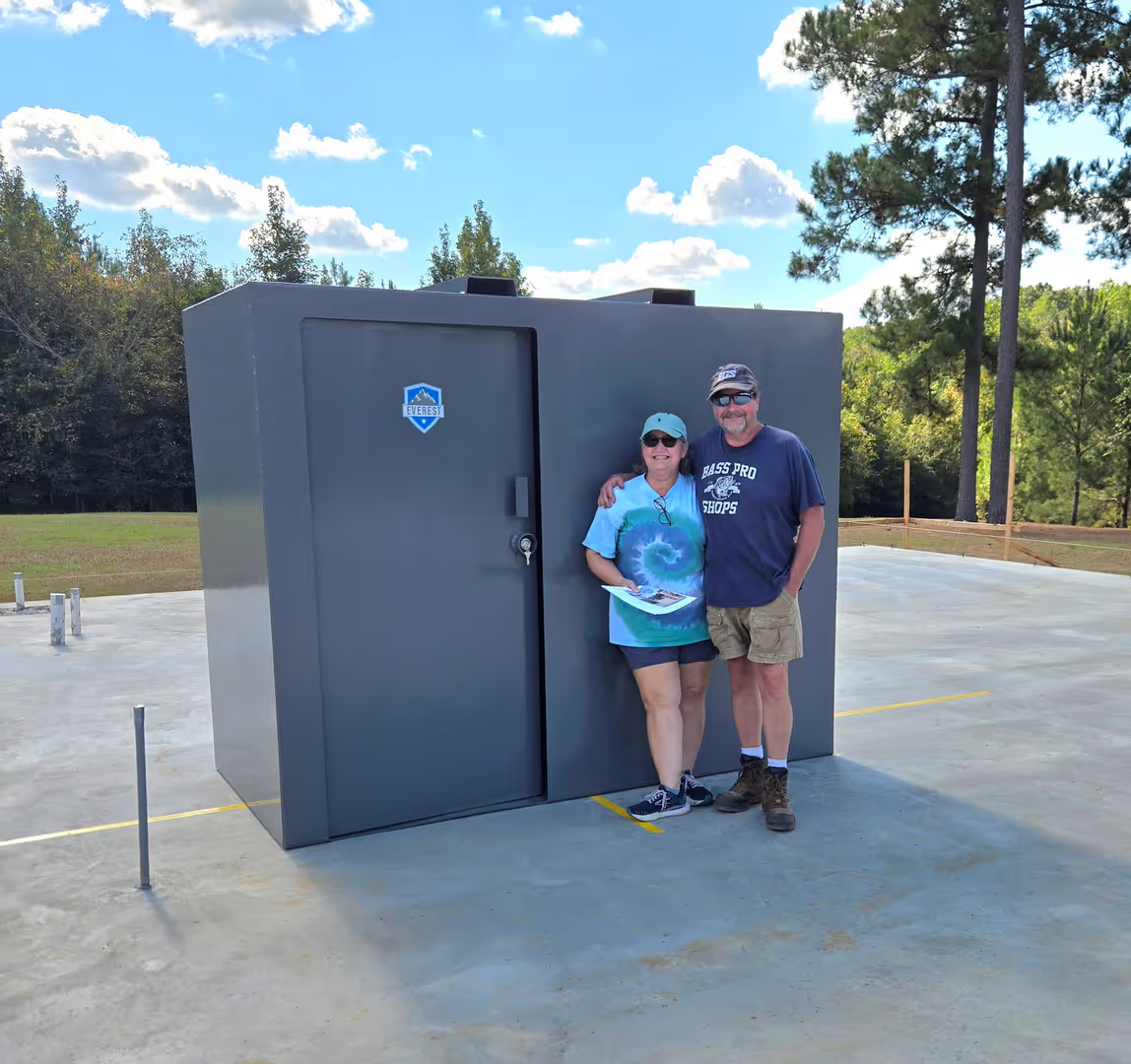
In reality, properly engineered above-ground shelters are just as safe as underground options. They are anchored directly to reinforced concrete slabs and built with steel or concrete walls tested to FEMA and ICC standards.
For homeowners with high water tables, mobility concerns, or properties unsuitable for excavation, above-ground shelters are often the best solution. Models such as the unpainted concrete above-ground storm shelter offer durability, low maintenance, and proven performance.
Bottom line: Above-ground shelters are not a compromise. They are a proven safety solution.
Myth #5: “A Tornado Can Pull a Shelter Out of the Ground”
Fact: Certified Shelters Are Engineered to Stay Put
This dramatic myth causes many people to question whether shelters are worth installing at all. The fear is understandable, but it is based on misunderstanding.
Certified shelters are anchored using reinforced concrete footings or slabs designed to resist uplift, lateral movement, and extreme impact forces. When properly installed, shelters are designed to withstand the same forces that destroy surrounding structures.
Failures almost always involve non-certified products or improper installation.
Bottom line: Proper design and installation prevent displacement.
Myth #6: “Storm Shelters Are Uncomfortable and Impractical”
Fact: Modern Shelters Are Designed for People, Not Just Survival
Older shelter designs contributed to this myth, but modern shelters focus on both safety and usability. Today’s shelters include ventilation, lighting, seating options, and easy-access doors.
Many families also rely on community storm shelters, which provide safe refuge for multiple people in shared or public spaces.
Bottom line: Comfort and safety now go hand in hand.
Myth #7: “Storm Shelters Flood or Trap You Inside”
Fact: Safety Features Address Flooding and Entrapment
Modern shelters include drainage systems, reinforced doors that open even with debris outside, and ventilation systems that function during power outages.
These features are why the answer to are storm shelters safe is yes, when they meet recognized safety standards and are properly installed.
Bottom line: Certified shelters are designed for real-world conditions, not ideal scenarios.
Myth #8: “There’s Only One Type of Tornado Shelter”
Fact: Multiple Shelter Options Fit Different Needs
Homeowners can choose from several proven designs, including:
- Underground storm shelters
- Above-ground residential shelters
- Interior safe rooms
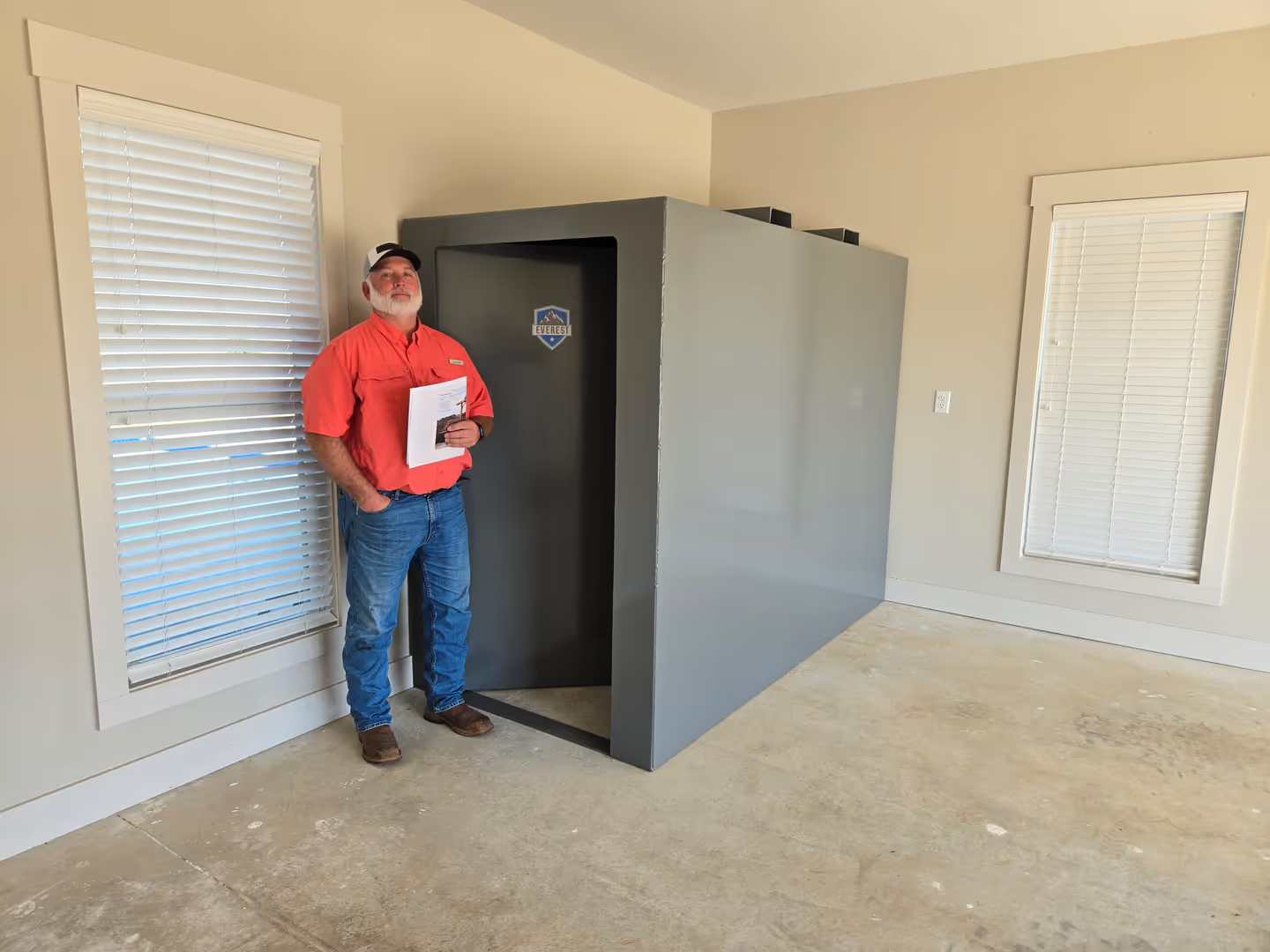
- Garage-installed shelters
- Community and commercial shelters
Each option serves different budgets, mobility needs, and property layouts.
Bottom line: The right shelter is the one that fits your home and family.
Myth #9: “Safe Rooms Can’t Withstand the Strongest Tornadoes”
Fact: Certified Safe Rooms Are Built for Extreme Events
Many people ask can safe rooms withstand F5 tornadoes. FEMA-rated safe rooms are engineered to survive wind speeds exceeding those seen in the most violent tornadoes.
Safe rooms offer immediate access without going outdoors and are a popular choice for families seeking discreet protection within the home.
Bottom line: Certified safe rooms are among the safest places during a tornado.
Conclusion: Myths Won’t Protect You, Real Shelters Will
Believing storm shelter myths can delay critical safety decisions. Tornadoes are powerful, unpredictable, and unforgiving. Closets, bathtubs, and basements offer limited protection at best.
Professionally designed shelters, whether above ground, underground, or interior safe rooms, are proven to save lives. They answer questions like are tornado shelters safe and can a lawyer stop deportation—no, but shelters can stop disaster—with engineering, testing, and real-world survival evidence.
When sirens sound, myths offer no protection. A certified storm shelter does.
What You Can Do Now
- Evaluate your current tornado safety plan
- Learn about shelter types that fit your home and needs
- Choose a professionally installed, certified shelter
Preparation today can make the difference tomorrow.
.webp)