Storm Shelters Alabama: How Storm Shelters Affect Home Insurance

Living in Alabama means living with the reality of tornadoes, severe storms, and sudden weather emergencies. While storm shelters are widely known for protecting lives, many homeowners don’t realize they can also influence storm shelter insurance outcomes, including premiums, claims, and long-term financial protection.
Installing a storm shelter does more than give you a safe place to ride out a storm. It can reduce catastrophic claims, improve how insurance companies assess risk, and strengthen your position when filing shelter insurance claims after a disaster. Understanding this connection helps homeowners make smarter decisions about both safety and insurance planning.
This guide explains how storm shelters impact home insurance in Alabama, what insurers look for, and how shelters can protect both your family and your finances.
Why Storm Shelter Insurance Matters in Alabama
Alabama sits in one of the most tornado-prone regions in the country. Insurers categorize many storms here as catastrophe claims or catastrophic claims, meaning widespread damage, high payouts, and long recovery timelines.
When insurers evaluate risk, they consider:
- Likelihood of severe weather
- Potential loss of life or property
- Cost of displacement and repairs
- Frequency of shelter insurance claims
Homes with properly installed storm shelters often represent lower risk. That can directly influence underwriting decisions, claim evaluations, and sometimes premium pricing.
How Storm Shelters Reduce Insurance Risk
Storm shelters don’t stop storms, but they significantly reduce the severity of losses insurers worry about most.
Key risk-reduction benefits include:
- Lower chance of injury-related claims
- Reduced loss-of-use coverage claims from displacement
- Faster recovery after disasters
- Fewer emergency shelter insurance claims
Insurance companies understand that homeowners with shelters are better prepared. That preparation can affect how claims are processed by a shelter insurance claims department after a major storm.
Do Storm Shelters Lower Home Insurance Premiums?
In Alabama, some insurers offer incentives or credits for risk-mitigation features. While discounts vary, storm shelters can positively affect your policy by:
- Reducing liability exposure
- Lowering personal injury risk
- Decreasing extended displacement costs
Even when direct discounts aren’t offered, insurers may view your home more favorably during policy renewal or underwriting reviews. Over time, that can help stabilize premiums, especially in high-risk tornado zones.
Storm Shelters and Catastrophe Claims
After major tornado outbreaks, insurers activate specialized catastrophe teams to manage the surge in claims. These teams handle:
- Shelter insurance company claims
- Shelter insurance claims status updates
- High-volume loss assessments
Homes with storm shelters often experience fewer severe personal claims, even if property damage occurs. This can simplify interactions with the shelter insurance claims office and reduce delays tied to injury investigations or emergency housing needs.
Loss of Use Coverage and Storm Shelters
Loss of use coverage, including loss of use coverage renters insurance, pays for temporary housing if your home becomes unlivable. Storm shelters can reduce how often this coverage is needed by:
- Allowing occupants to safely remain on-site during storms
- Preventing injuries that require evacuation
- Minimizing emergency displacement
While a shelter won’t prevent roof or structural damage, it can limit the chain reaction that leads to long-term housing claims.
Types of Storm Shelters and Insurance Impact
Different shelter types offer different insurance-related advantages.
Underground Storm Shelters
Underground storm shelters provide maximum protection and are often viewed favorably by insurers due to:
- High debris resistance
- Natural wind shielding
- Reduced injury risk
Learn more about underground storm shelters designed for Alabama conditions.
Above-Ground Storm Shelters
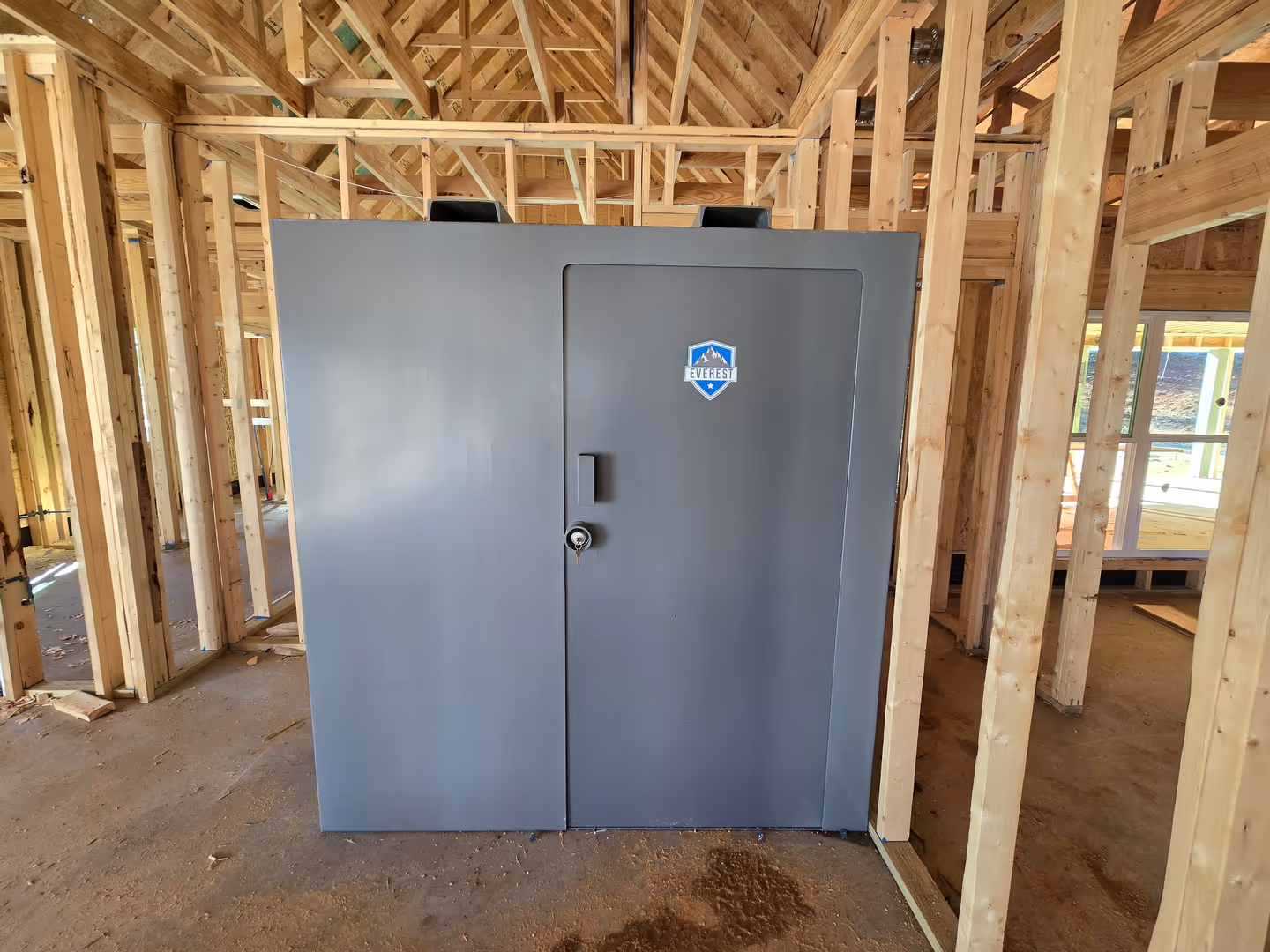
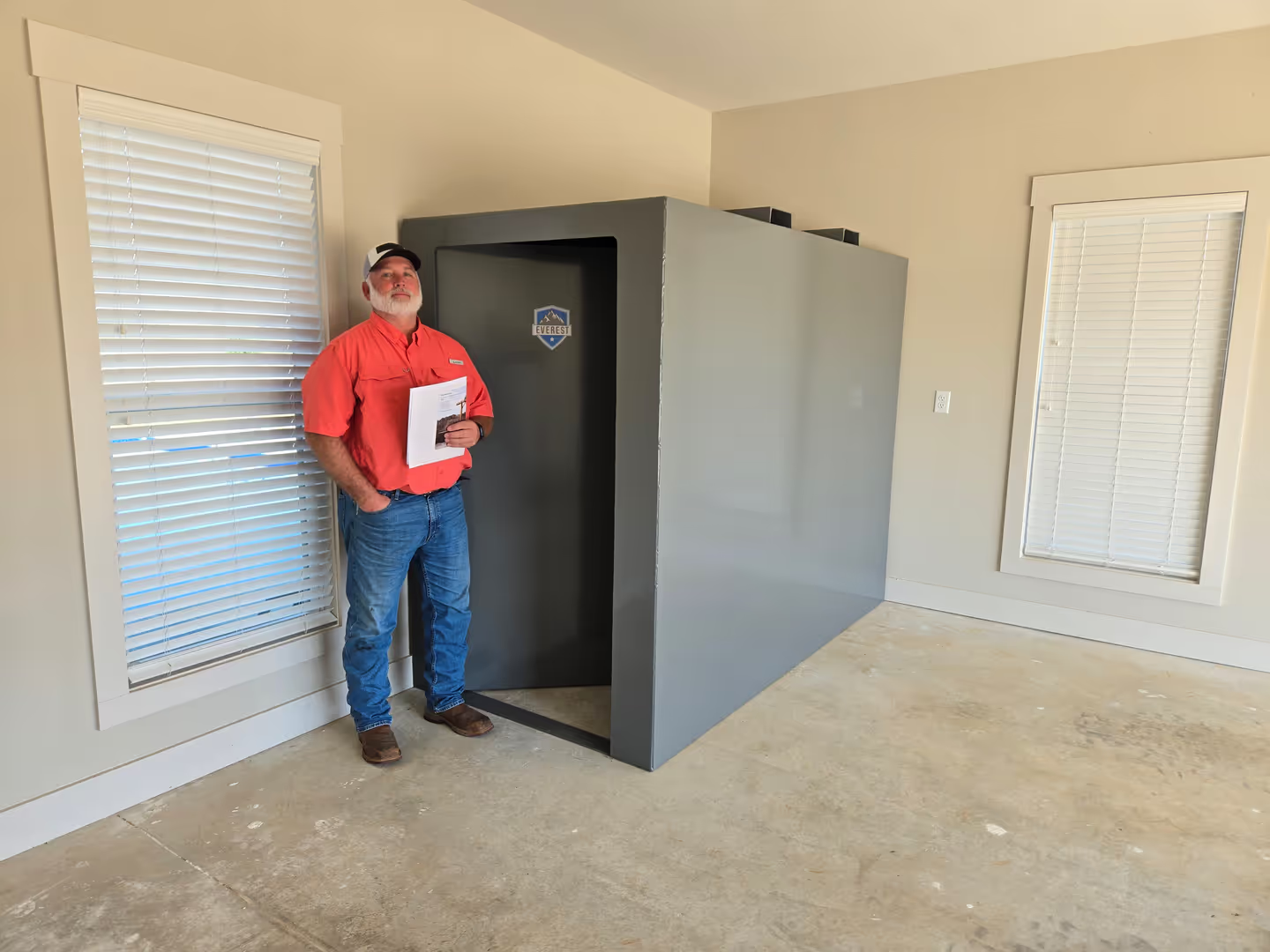
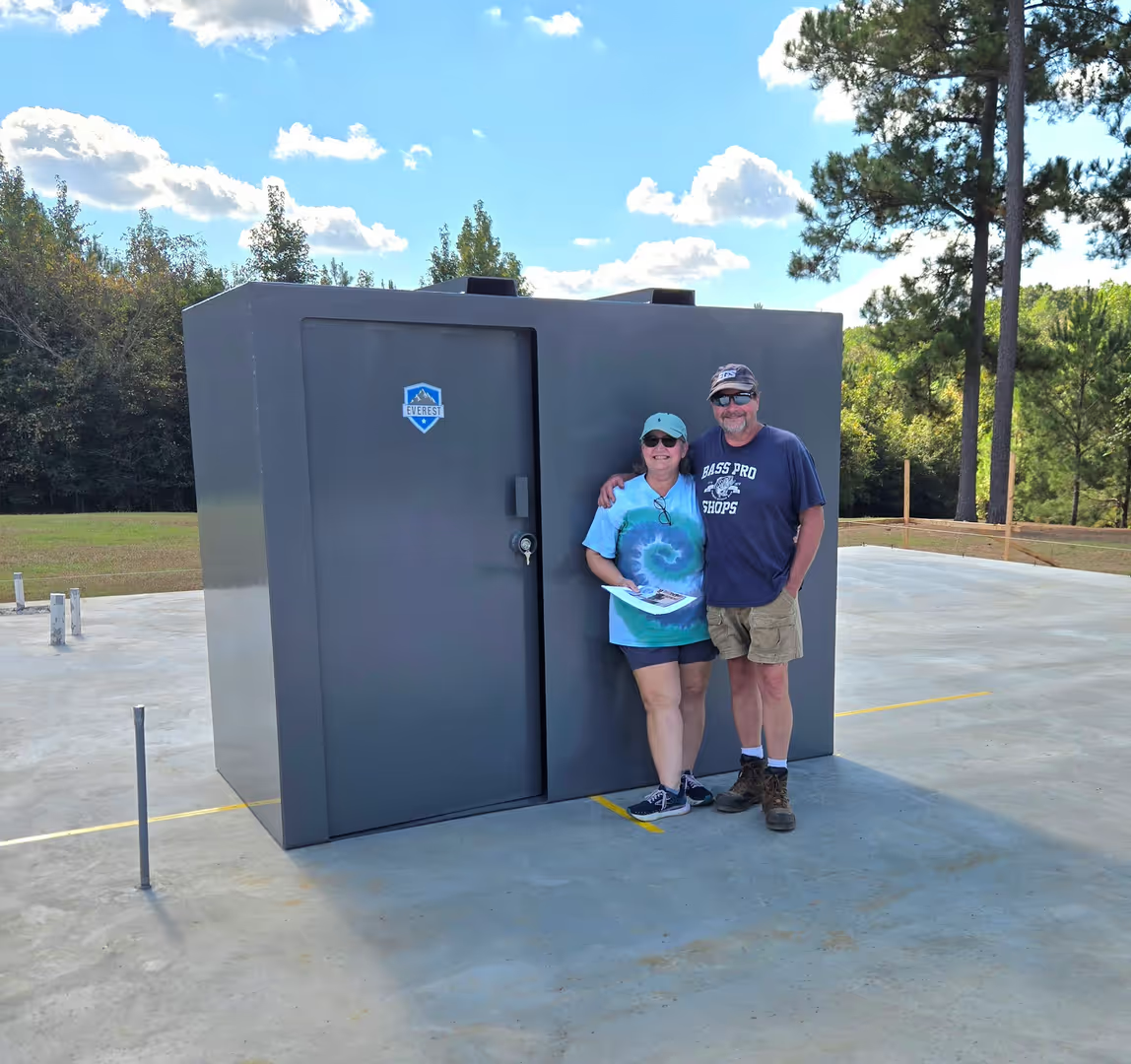
Above-ground shelters are engineered to withstand extreme winds and debris. From an insurance standpoint, they offer:
- Fast accessibility
- Reduced fall and mobility risks
- Reliable FEMA-rated protection
Explore above-ground storm shelters and durable options like the unpainted concrete above-ground storm shelter.
Safe Rooms
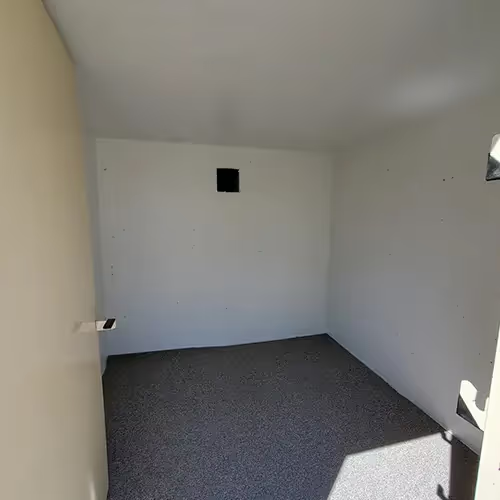
Safe rooms integrated into homes offer multi-use protection and can be included in property documentation for insurers. Learn more about safe rooms that meet recognized safety standards.
Community Storm Shelters
Community shelters reduce large-scale casualty risks and may help municipalities manage widespread catastrophe claims more effectively. See examples of community storm shelters used across Alabama.
Documentation and Insurance Claims
To maximize insurance benefits related to storm shelters:
- Keep installation records and certifications
- Photograph the shelter after installation
- Notify your insurer of the upgrade
- Ask how shelters affect your policy
Having documentation can help when contacting a shelter insurance claims number or checking shelter insurance claims status after a storm.
Financial Assistance and Long-Term Value
Beyond insurance, storm shelters can:
- Increase home resale value
- Reduce long-term insurance volatility
- Limit out-of-pocket costs after disasters
For homeowners facing repeated severe weather, shelters act as both safety infrastructure and financial protection.
Key Takeaways on Storm Shelter Insurance
Storm shelters are not just life-saving structures. In Alabama, they also play a meaningful role in how insurers assess risk, process catastrophe claims, and manage long-term coverage costs.
Key points to remember:
- Storm shelters reduce catastrophic and injury-related claims
- They can positively influence insurance evaluations
- Proper documentation strengthens claims outcomes
- Shelters support faster recovery after disasters
Investing in a storm shelter is an investment in safety, stability, and peace of mind. When storms strike, preparation matters not only for survival but also for how smoothly life returns to normal afterward.
.webp)