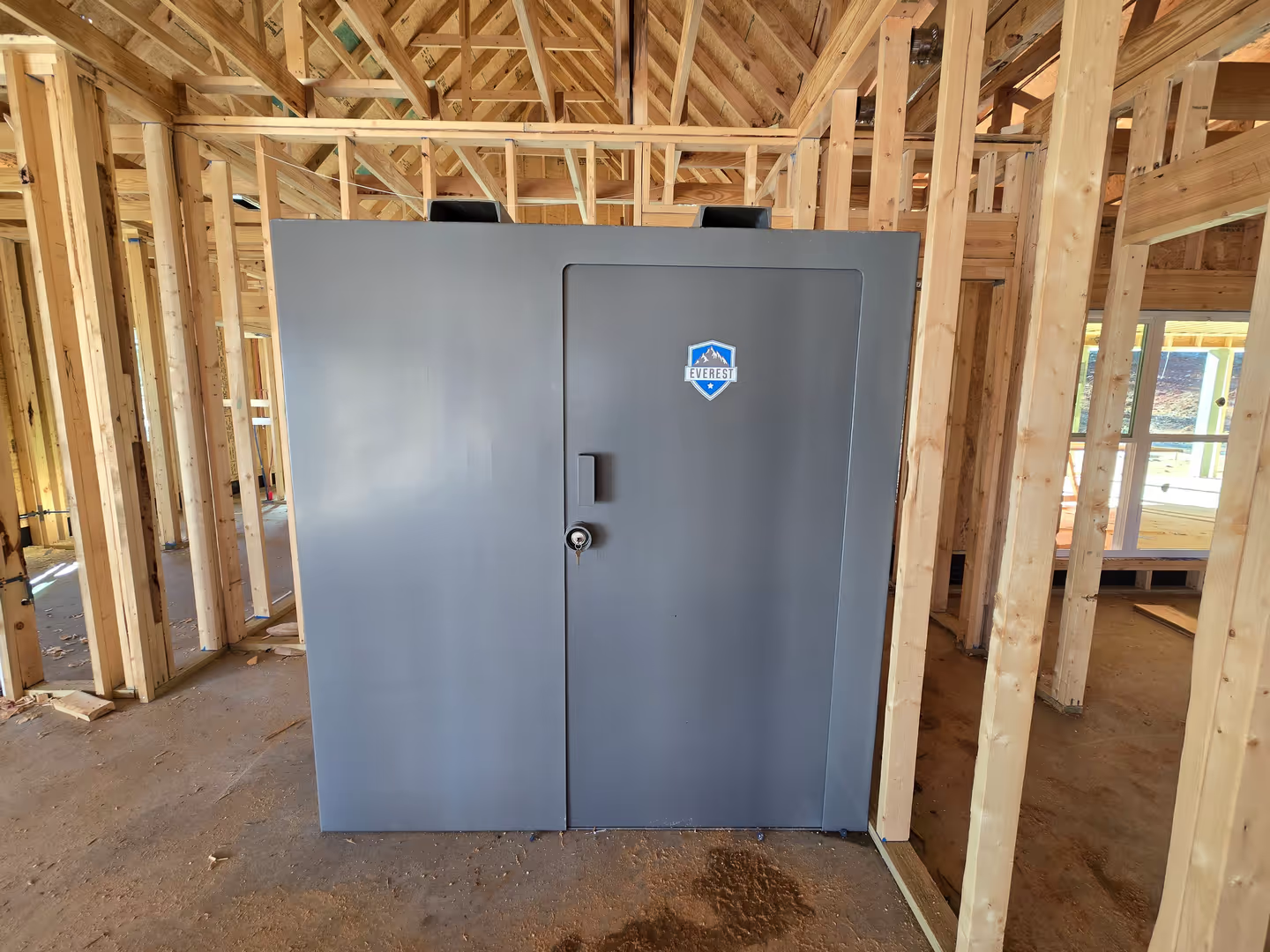
Can Storm Shelters Improve Home Security? Here’s What You Need to Know

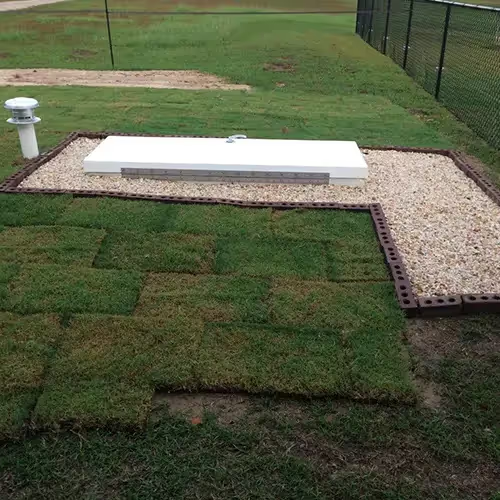
Rethinking the Role of Storm Shelters
Most homeowners think of storm shelters as a last-resort space used only during tornado warnings or severe weather alerts. You hope you never need it, but you want it there just in case. What many people do not realize is that storm shelters can play a much broader role in overall household safety. When designed and installed properly, they can meaningfully contribute to storm shelters home security, not just storm survival.
The same engineering that allows a shelter to withstand extreme winds, flying debris, and structural collapse also creates a highly secure space inside the home. Reinforced walls, heavy steel doors, anchored foundations, and limited access points naturally translate into protection during non-weather emergencies as well.
Situations such as home intrusions, civil unrest, or forced-entry threats may be uncommon, but they are real considerations for homeowners thinking holistically about safety. This raises an important question: can a storm shelter actually improve home security in addition to tornado protection?
The short answer is yes, with the right expectations. Storm shelters are not alarm systems or surveillance tools, but they can serve as a secure refuge when avoidance or escape is no longer possible. This guide explains how storm shelters fit into home security, where their strengths lie, and how to integrate them into a complete safety strategy.
What a Residential Storm Shelter Really Is
A storm shelter is a reinforced structure designed to protect occupants during extreme weather events such as tornadoes and severe windstorms. Residential storm shelters are engineered to withstand forces far beyond those a standard home is built to handle.
They are commonly constructed from reinforced concrete or steel and are tested for debris impact and wind resistance. Installation types include:
- In-home storm shelters integrated into existing structures
- Interior shelters installed in garages, closets, or utility rooms
- Basement storm shelters for homes with below-grade space
- Built-in shelters added during new construction
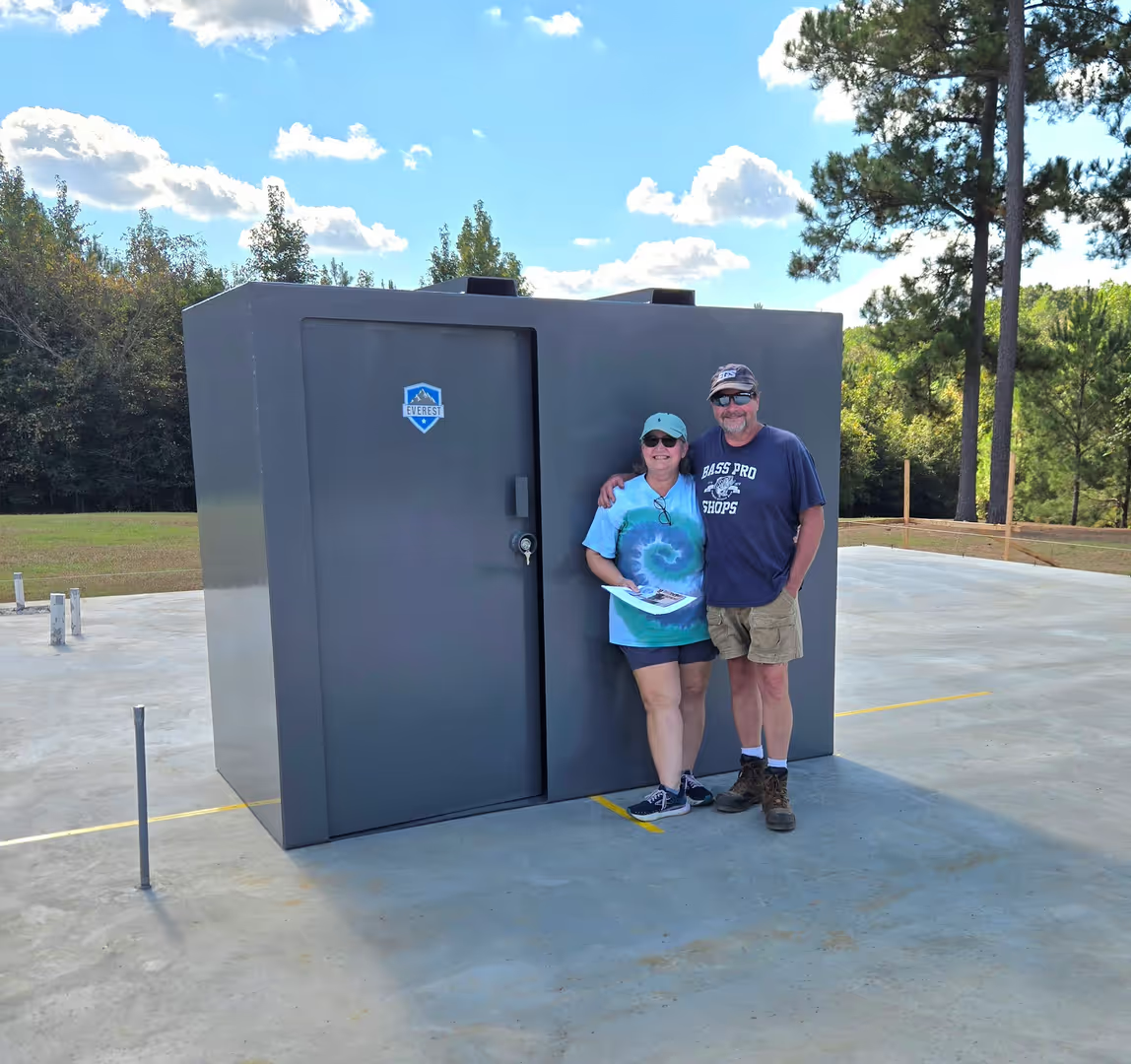
- Standalone shelters located just outside the home
Many homeowners choose certified safe rooms or above-ground storm shelters for ease of access, while others prefer underground designs for natural protection. Regardless of type, the defining feature is structural integrity, and that integrity is what gives storm shelters their security value.
How Storm Shelters Enhance Home Security
Storm shelters are not marketed as security systems, but they provide several benefits that directly support residential safety.
A Secure Refuge During Emergencies
One of the most important ways storm shelters support storm shelters home security is by offering a fortified place to retreat when danger is imminent or already inside the home.
Standard interior rooms are not designed to resist forced entry. Hollow doors, drywall, and residential locks offer minimal resistance. By contrast, a reinforced tornado shelter for home use is built to withstand forces far greater than human intrusion.
An interior tornado safe room typically includes:
- Reinforced steel or concrete walls
- Impact-rated doors with heavy locking mechanisms
- Anchoring systems that prevent movement or collapse
- Limited access points that are easy to secure
In non-weather emergencies, these features allow a storm shelter to function much like a panic room. Occupants can secure themselves inside while contacting emergency services or waiting for assistance.
Because many shelters are already stocked with storm shelter supplies such as water, lighting, first aid items, and communication tools, they are often better equipped than any other room in the home.
Psychological Security and Family Preparedness
Security is not only physical. It is also about preparedness and confidence. Knowing there is a reinforced space designed to protect your family changes how people respond under stress.
Storm shelters create a clear plan. Everyone knows where to go, how to secure the space, and what resources are available. This clarity reduces hesitation and panic during emergencies.
Families with children, elderly relatives, or individuals with mobility challenges often feel a greater sense of security knowing there is an accessible, reinforced space they can reach quickly. In this way, storm shelters enhance emotional and psychological security in addition to physical protection.
Passive Deterrence and Safety Awareness
While not a primary deterrent, storm shelters can contribute to a perception of preparedness. Homes that visibly include reinforced structures or garage-installed shelters signal that safety has been taken seriously.
Opportunistic intruders often seek easy targets. A home that reflects planning and reinforcement may be less appealing than one that appears unprepared. Storm shelters alone do not prevent crime, but they support a broader safety posture when combined with lighting, locks, and visibility.
Understanding the Limits of Storm Shelters
It is important to be realistic. Storm shelters do not actively monitor your home. They do not alert you to intruders or prevent someone from entering the property.
Storm shelters are reactive. Their value lies in protection once a threat is present. They should be considered the final layer of defense, not the first.
For effective storm shelters home security, shelters should complement proactive measures such as alarms, exterior lighting, reinforced doors, and situational awareness.
Interior Storm Shelters and Home Security
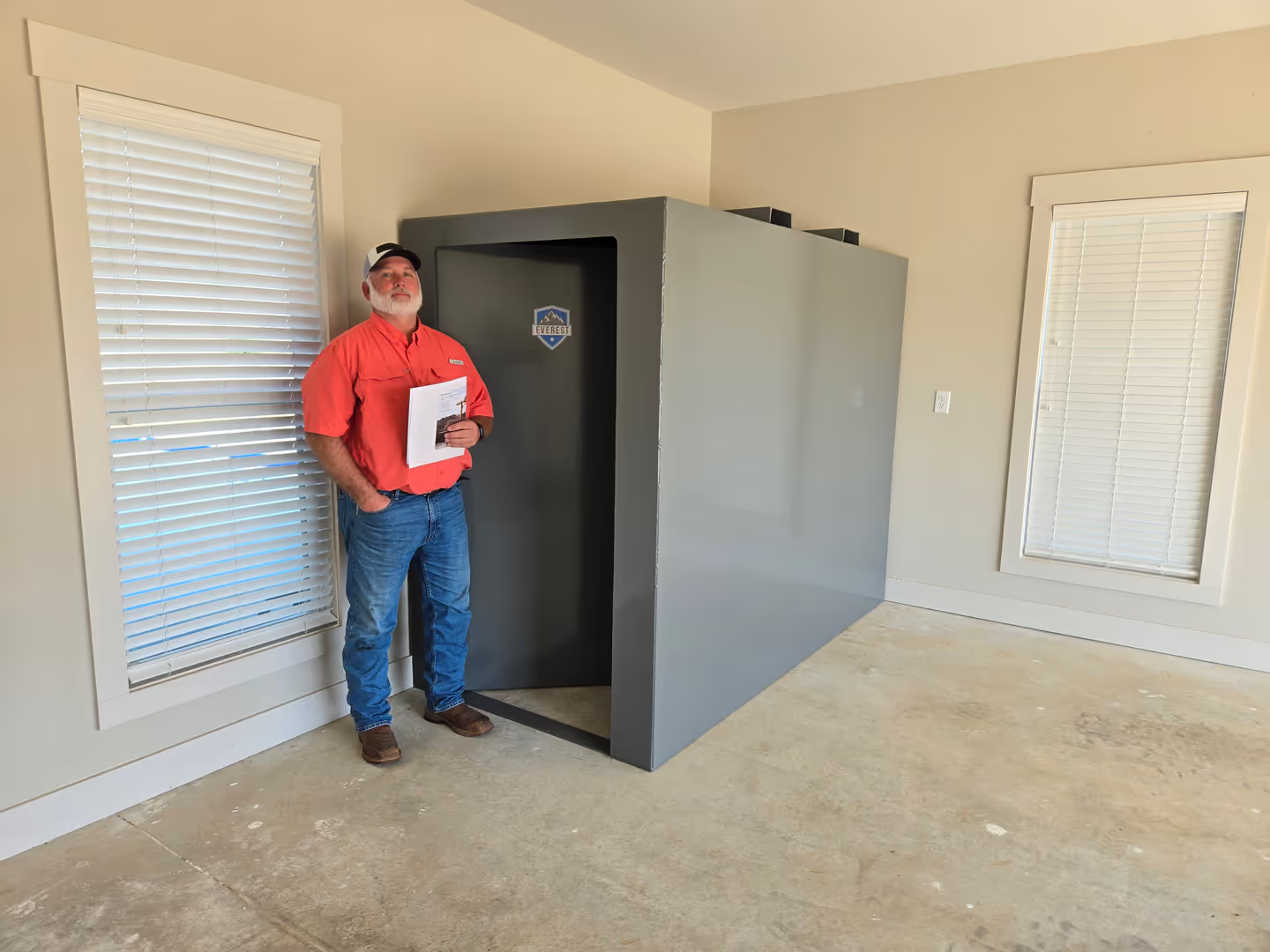
Interior storm shelters are especially relevant when discussing residential security. These shelters are built inside the home, often in garages, closets, or dedicated safe room spaces.
An interior shelter offers several advantages:
- Immediate access without going outdoors
- Concealment within the home layout
- Strong anchoring to the foundation or slab
- Controlled entry that can be secured from inside
Many homeowners choose interior options like safe rooms because they balance storm protection with everyday accessibility. In both weather-related and non-weather emergencies, quick access matters.
Basement Storm Shelters and Below-Grade Security
For homes with basements, a purpose-built basement storm shelter can offer added protection. Basements already reduce exposure to exterior entry points, but a reinforced shelter adds another layer of security.
A properly constructed basement shelter includes reinforced walls, ceilings, and doors that resist both debris impact and forced entry. These shelters are most effective when designed as dedicated safe spaces rather than relying on standard basement rooms.
Built-In Storm Shelters for New Construction
New construction provides an opportunity to integrate built-in storm shelters seamlessly into the home. These shelters benefit from optimal placement, structural continuity, and superior anchoring.
Built-in shelters often serve dual purposes. During storms, they provide life-saving protection. In other emergencies, they act as secure interior spaces that are always accessible.
Because they are planned from the start, built-in shelters tend to offer excellent usability and long-term value.
Above-Ground and Underground Shelter Considerations
When evaluating storm shelters home security, the choice between above-ground and underground shelters matters.
Above-ground shelters are often preferred for security-focused use because they are easier to access quickly. Many homeowners install above-ground storm shelters inside garages or homes, where they can be locked and accessed without stairs or ladders.
Durable designs such as the unpainted concrete above-ground storm shelter combine strength, longevity, and minimal maintenance.
Underground shelters offer concealment and natural protection but may be less practical for rapid access during non-weather emergencies. Drainage and accessibility must also be considered.
From a security perspective, the best shelter is one occupants can reach immediately and secure without delay.
Storm Shelters in a Layered Security Strategy
Storm shelters are most effective when integrated into a layered home security plan.
A layered approach typically includes:
- Exterior deterrents such as lighting and visibility
- Physical barriers like quality locks and reinforced doors
- Monitoring systems including alarms or cameras
- A secure refuge for last-resort protection
Storm shelters fill the final role. When deterrence and monitoring are no longer sufficient, a reinforced space provides protection no alarm system can offer.
Community Shelters and Neighborhood Safety
In some areas, individual shelters may not be practical for every household. Shared options like community shelters still play an important role in overall safety.
While community shelters do not replace in-home protection, they improve neighborhood resilience during severe weather and large-scale emergencies.
Enhancing the Security Features of a Storm Shelter
Homeowners who want to maximize storm shelters home security can take additional steps, including:
- Upgrading door locks and hardware
- Installing interior lighting with backup power
- Adding communication devices
- Keeping emergency supplies organized and updated
These enhancements improve usability without changing the primary purpose of the shelter.
Final Thoughts on Storm Shelters and Home Security
Storm shelters were originally designed to protect lives during extreme weather, but their value extends far beyond tornado season. When thoughtfully designed and properly installed, they contribute meaningfully to residential safety and preparedness.
Storm shelters home security is not about replacing alarms or cameras. It is about having a reinforced, secure place to go when other measures are no longer enough. Interior safe rooms, basement shelters, built-in designs, and above-ground shelters all provide this critical final layer of protection.
Emergencies rarely announce themselves. Having a secure refuge inside your home means you are never without options. Preparation is not fear. It is confidence, and a storm shelter gives families that confidence when it matters most.
.webp)