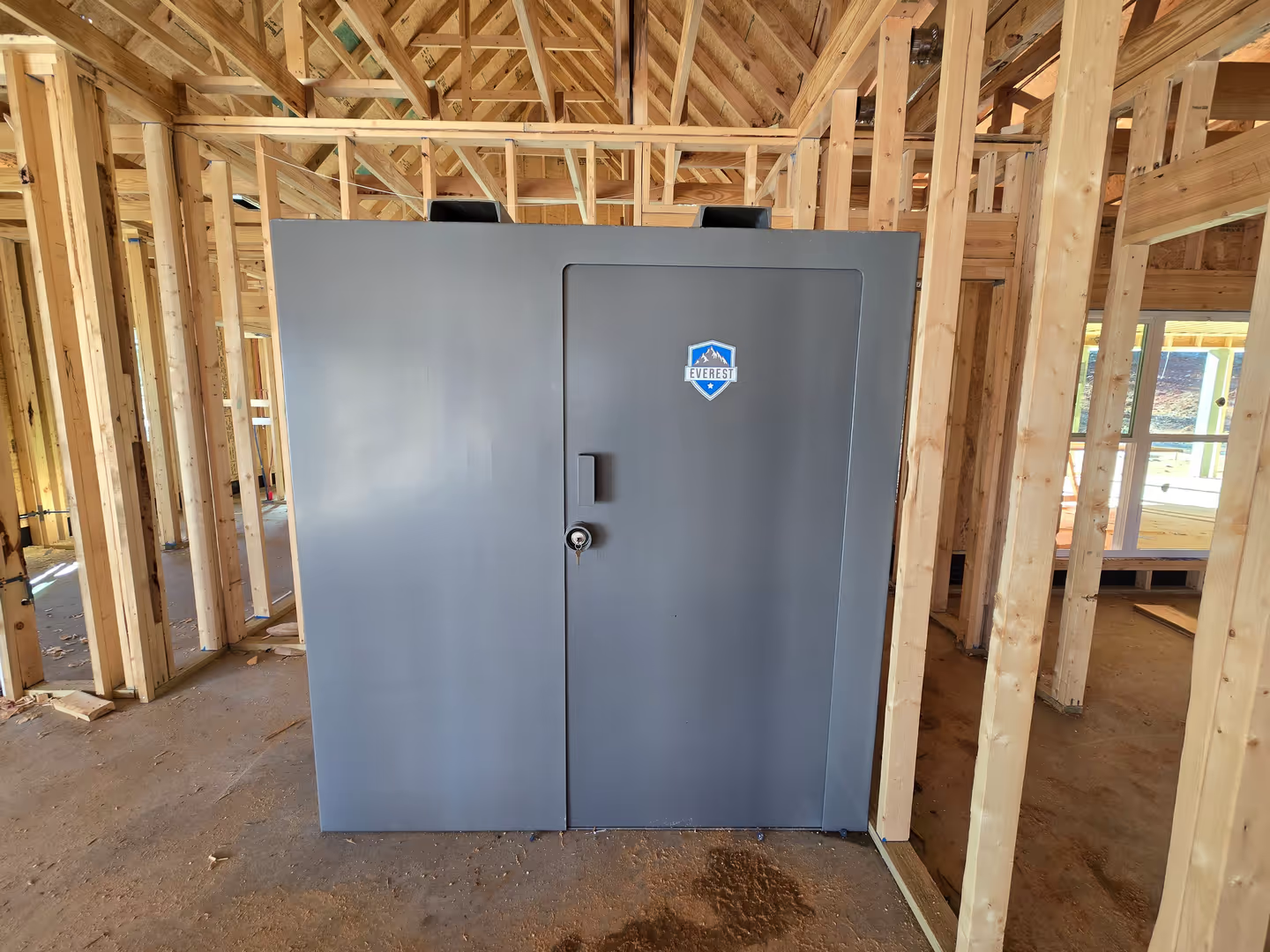
Why a Strong Foundation Matters in Storm Shelter Installation

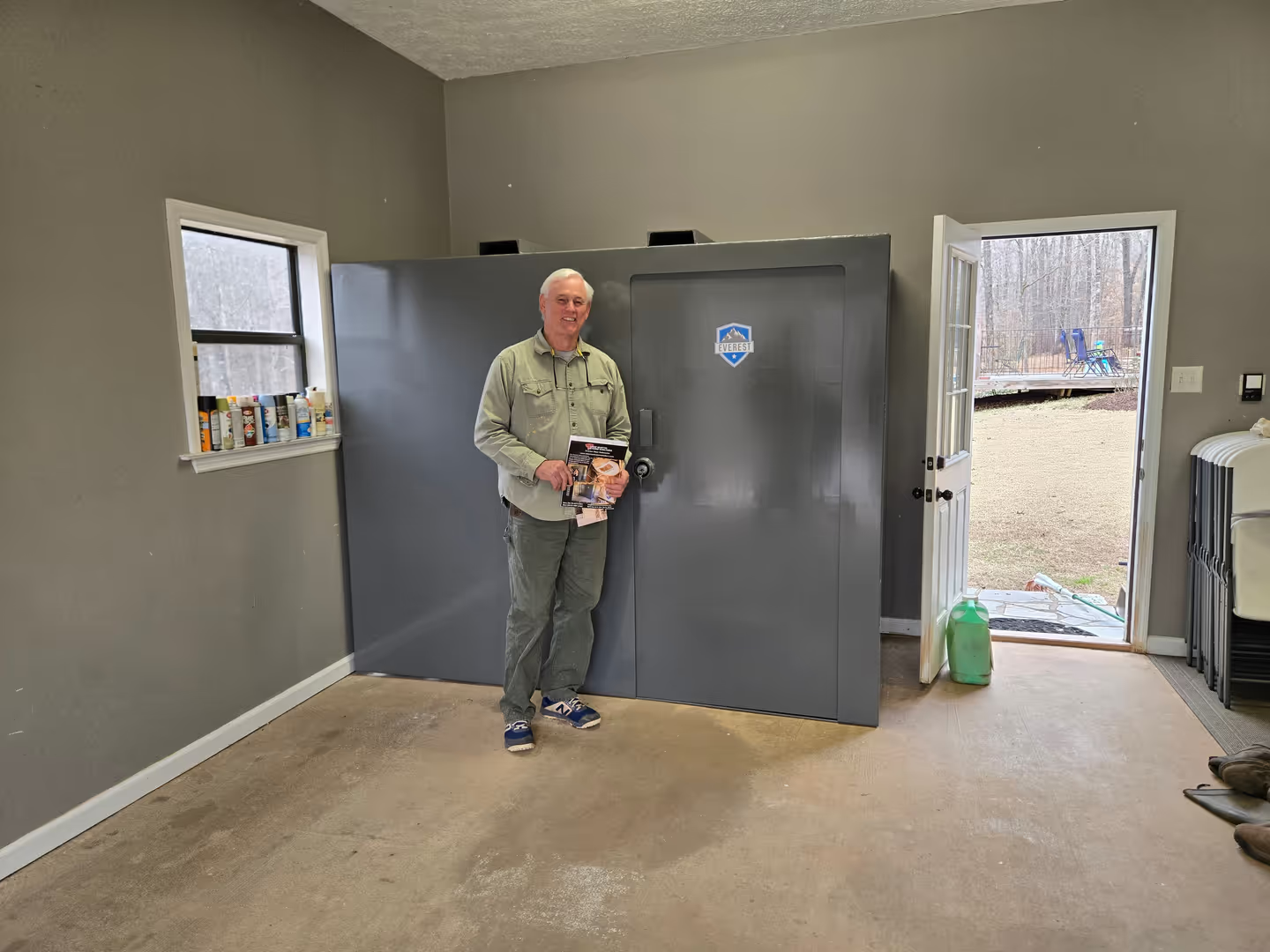
The Importance of a Solid Storm Shelter Foundation in Alabama
When severe storms sweep across Alabama, the last thing you want to question is whether your storm shelter will hold steady when you need it most. Many homeowners think mainly about shelter size or location, but the real strength of any storm shelter begins long before installation, deep beneath the surface. The storm shelter foundation is what determines whether your shelter stays secure, resists extreme winds, and protects your family during high impact storm events.
A storm shelter foundation matters because:
• It keeps your shelter fixed firmly to the ground.
• It ensures structural stability during tornado level force.
Without the right foundation, even the toughest storm shelters for homes become vulnerable. Concrete may crack, soil may shift, and anchoring bolts can loosen over time. In Alabama, where soil types vary and severe weather is common, these risks are especially important to understand. Resources from FEMA.gov, Alabama.gov, and EngineeringToolbox.com offer general guidance on safe structural practices.
In this article, we break down why a strong foundation is essential, how proper storm shelter installation works, what steps professionals take to ensure long term stability, and the best practices homeowners should follow to keep their concrete storm shelter safe for years. Let’s explore the foundation that keeps everything secure.
Why a Strong Storm Shelter Base Matters
A storm shelter foundation determines how well the shelter performs under pressure, especially during Alabama’s tornado seasons. At its core, the foundation acts as the anchor that binds the structure to the earth. If the base is weak, unlevel, or poorly constructed, the entire shelter becomes susceptible to shifting, lifting, or structural failure.
A reliable foundation matters because it:
• Enhances resistance against uplift from high winds.
• Distributes weight to prevent cracking or sinking.
• Supports long term durability through seasonal soil expansion.
• Ensures the shelter meets FEMA and ICC 500 standards for fema approved storm shelters.
Many homeowners assume that any concrete slab will do, but storm shelter construction requires specific thickness, reinforcement, and anchoring methods. Alabama’s clay heavy soil and high moisture levels make soil testing and preparation especially important. Without these steps, the shelter may settle unevenly or detach during storms.
This applies to all types of shelters, including in ground storm shelter models and underground storm shelter options available through local providers such as the Underground Shelters page at Lake Martin Storm Shelters.
A common misconception is that above ground shelters do not require much foundation work. In reality, they often need stronger anchoring to resist lateral movement and uplift forces. Understanding these requirements helps homeowners make informed decisions and avoid costly mistakes.
How Proper Planning Strengthens Installation
Soil Evaluation and Preparation
Before any concrete is poured, professional installers evaluate the soil to determine how stable and compact the ground is. Different soil types, especially Alabama’s clay, silt, and loam, affect how a shelter will perform long term. Poorly compacted soil can lead to sinking, cracking, or shifting. Soil testing ensures the right reinforcement strategy before moving forward.
Leveling and Site Preparation
Once soil testing is complete, the next step involves clearing and leveling the installation area. This prevents unwanted angles or stress points in the foundation. Installers prepare the ground, measure the shelter’s footprint, and create proper drainage slopes. Even slight unevenness can create long term issues.
Pouring and Reinforcing the Concrete
Next, concrete is poured to the required thickness, usually reinforced with rebar. This reinforcement supports the weight of the shelter and resists storm related forces. Anchor bolts are placed strategically based on engineering designs. These bolts must be placed precisely to ensure strong anchoring and smooth installation. The concrete is then allowed to cure fully.
Concrete standards are especially important in lake region installations like concrete foundation Lake Martin projects.
Anchoring, Sealing, and Final Checks
After curing, installers place the shelter and secure it using high strength hardware. Proper anchoring ensures resistance to uplift and lateral forces. Installers then seal the edges to block moisture. Alabama’s fluctuating humidity makes this step essential. Finally, safety checks verify structural alignment, anchoring strength, and FEMA compliance.
Homeowners can explore above ground options and foundation requirements through the Above Ground Shelters and Unpainted Concrete Above Ground Shelter pages.
Where Strong Foundations Provide Real Value
A well built storm shelter foundation provides both safety and practical benefits. For Alabama homeowners, a secure foundation supports long term stability against heavy rain, wind, and soil movement. This foundation strength provides dependable protection.
Use Case 1:
A homeowner in a flood prone Alabama area installed a reinforced concrete foundation that prevented shifting during repeated heavy storms. Proper drainage and rebar support reduced maintenance and kept the shelter level.
Use Case 2:
In northern Alabama, where clay soil expands seasonally, a homeowner avoided foundation cracking through soil testing and reinforced anchoring. This improved longevity and prevented misalignment.
For insights into installation scenarios, see Lake Martin Storm Shelters’ article on Installing an Underground Storm Shelter in Alabama.
How Homeowners Avoid Foundation Mistakes
A secure storm shelter foundation requires careful planning. These best practices help homeowners avoid the most common mistakes.
• Choose reinforced concrete designs
Reinforced concrete with proper thickness ensures the shelter withstands high impact forces.
• Test soil before installation
Alabama soil varies significantly. Soil testing identifies the best anchoring and leveling strategy.
• Use certified installers only
Certified installers follow FEMA and ICC 500 standards.
• Avoid generic concrete slabs
A storm shelter needs a slab engineered for uplift, vibration, and lateral impact resistance.
For community sized installations, explore Community Shelters.
Building Confidence with the Right Foundation
A reliable storm shelter foundation plays a crucial role in protecting your family during severe weather. Understanding soil tests, reinforcement methods, anchoring, and professional installation gives you confidence in long term shelter performance. A strong foundation reduces maintenance, prevents shifting, and ensures your shelter functions exactly as intended.
If you are planning storm shelter installation cost estimates or comparing underground storm shelters Alabama options, consult certified professionals to ensure your foundation meets safety standards. Review safe room alternatives through the Safe Rooms page.
FAQs About Storm Shelter Foundations
1. Is a special foundation required for a storm shelter?
Yes. Storm shelters require a reinforced foundation designed to resist uplift, lateral motion, and vibration.
2. How thick should a storm shelter foundation be?
Most foundations require 4 to 6 inches of reinforced concrete, depending on shelter type and soil conditions.
3. Can a storm shelter be installed on an existing slab?
Sometimes, but only if the slab meets strength, thickness, and reinforcement requirements.
4. How long does a storm shelter foundation last?
With proper installation, a foundation can last decades. Reinforcement, soil stability, and moisture control influence long term durability.
.webp)