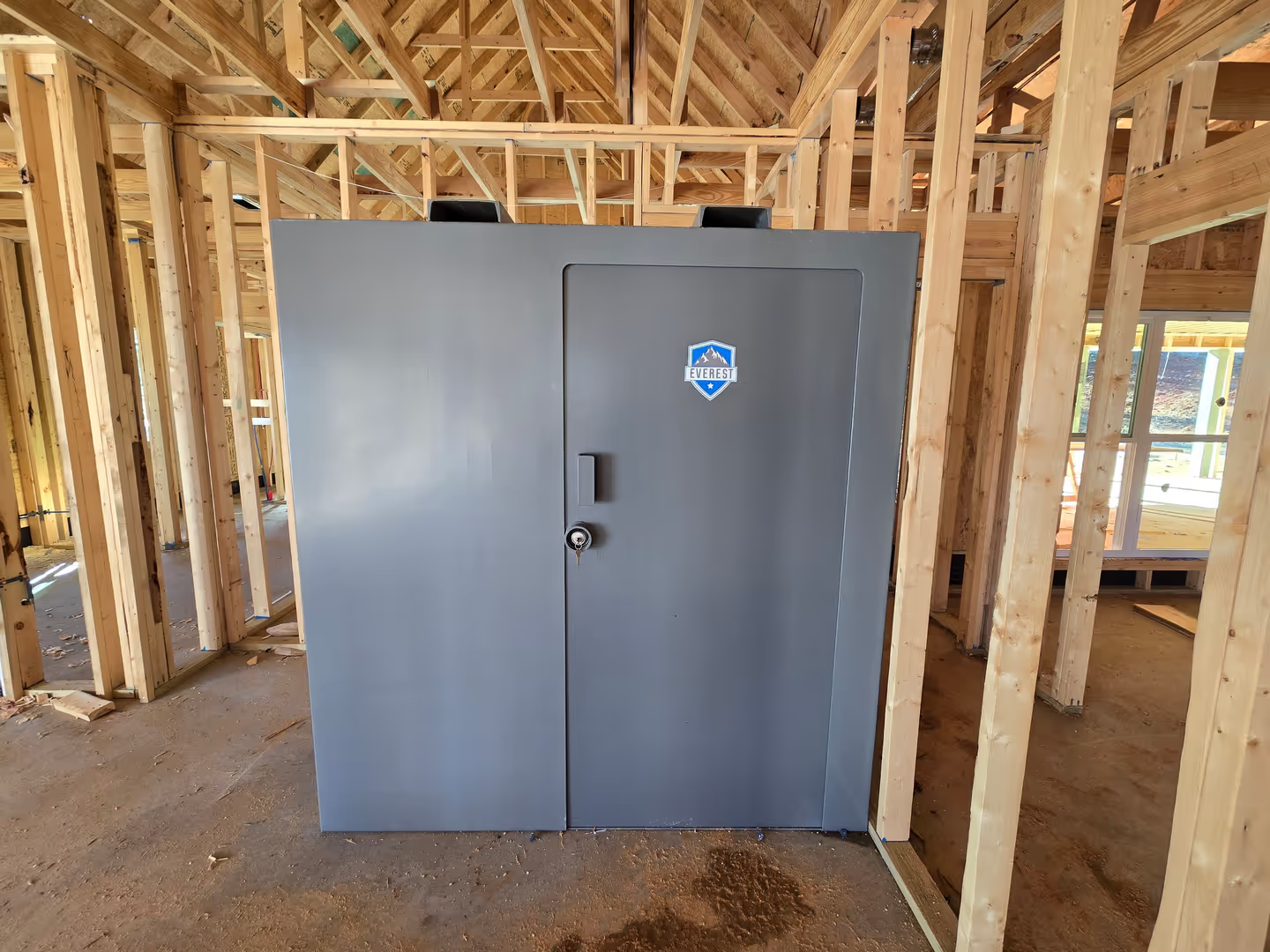
Garage Storm Shelters: The Convenient Safety Option

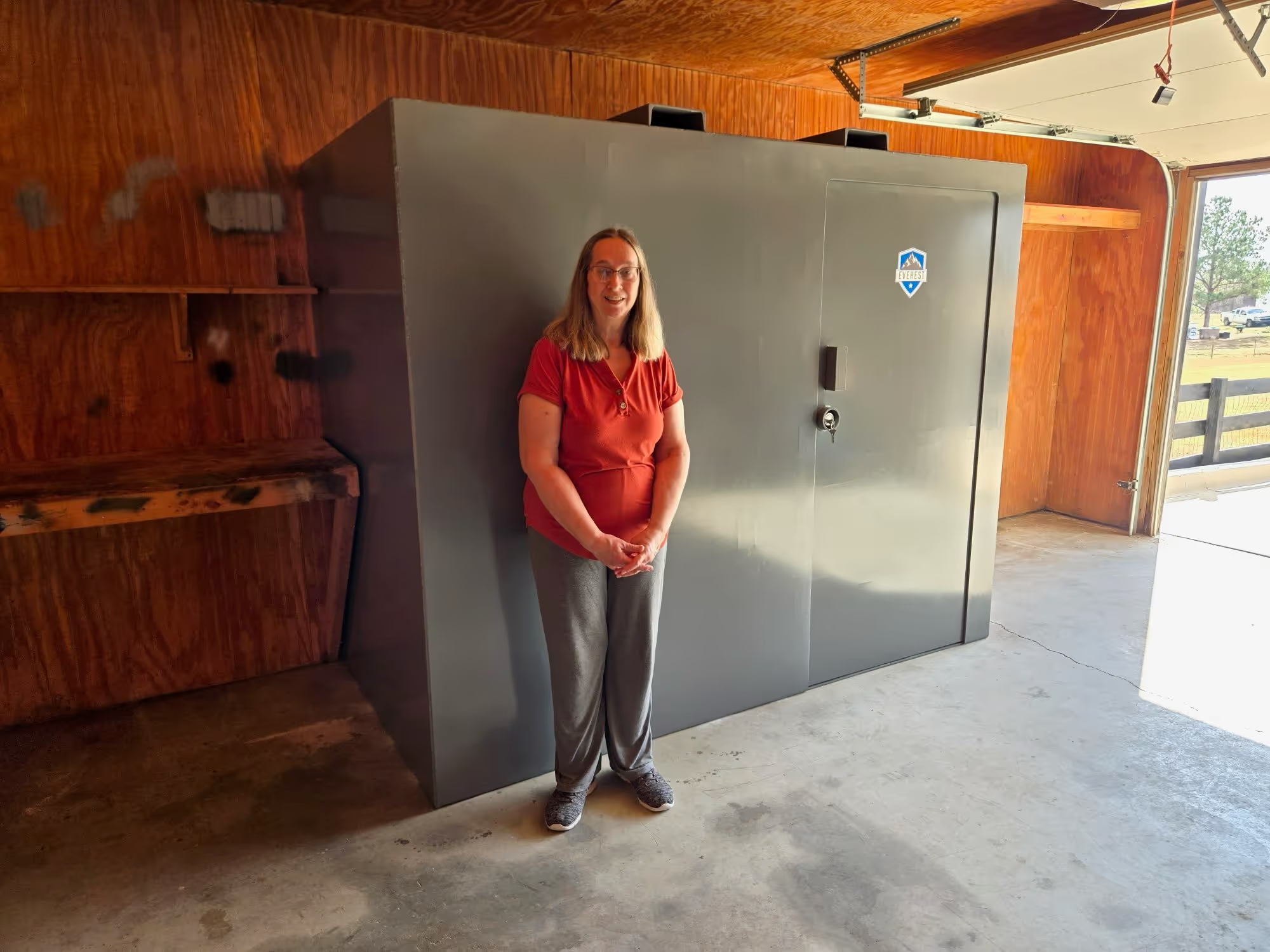
Why Garage Storm Shelters Are Becoming a Must-Have in Alabama
When severe weather sirens go off, most people want one thing: a safe place to reach fast. For families in Alabama, where tornado activity is both frequent and unpredictable, finding reliable protection is more than just a home upgrade, it is a necessity. That is where a garage stormshelter stands out as a dependable and practical safety solution.
A growing number of homeowners choose to install stormshelters directly inside their garage because it solves a common problem: getting caught outside or far from safety during an emergency. With storms forming quickly and visibility often low, the garage becomes the mostaccessible location to reach in seconds.
Here is what a garage storm shelter helps you avoid:
• Running through dangerous weather to reach an outdoor shelter
• Crowded or inconvenient community shelter options
Throughout this guide, we explore what makes storm sheltersfor garages so convenient, how they work, what storm shelter installationinvolves, and why they are especially beneficial for Alabama households. Youwill also learn how to choose the best design, avoid common mistakes, andensure your family is protected year-round.
Let’s look at how this safety feature has become one of themost valuable home upgrades in storm-prone regions.
Why a Garage Storm Shelter Is the Smartest Safety Upgradefor Alabama Homes
A garage storm shelter offers a unique blend of convenience,protection, and long-term value. Unlike outdoor units, an above ground saferoomprovides protection without having to go out in the weather to get intoit. This keeps the shelter accessible,weather protected, and seamlessly integrated into the home.
Garage storm shelters address the biggest issue familiesface during severe weather: limited time. Tornadoes in Alabama often form andtouch down within minutes, leaving little opportunity to react. When yourtornado shelter in garage access point is only steps away, you gain preciousseconds that may save lives.
Homeowners often choose garage storm shelters because they provide:
• Fast and easy access for children and seniors
• A protected entry point shielded from wind and flying debris
• Flexible design options.
• Smooth integration with existing home layouts
• Minimal disruption compared to backyard units
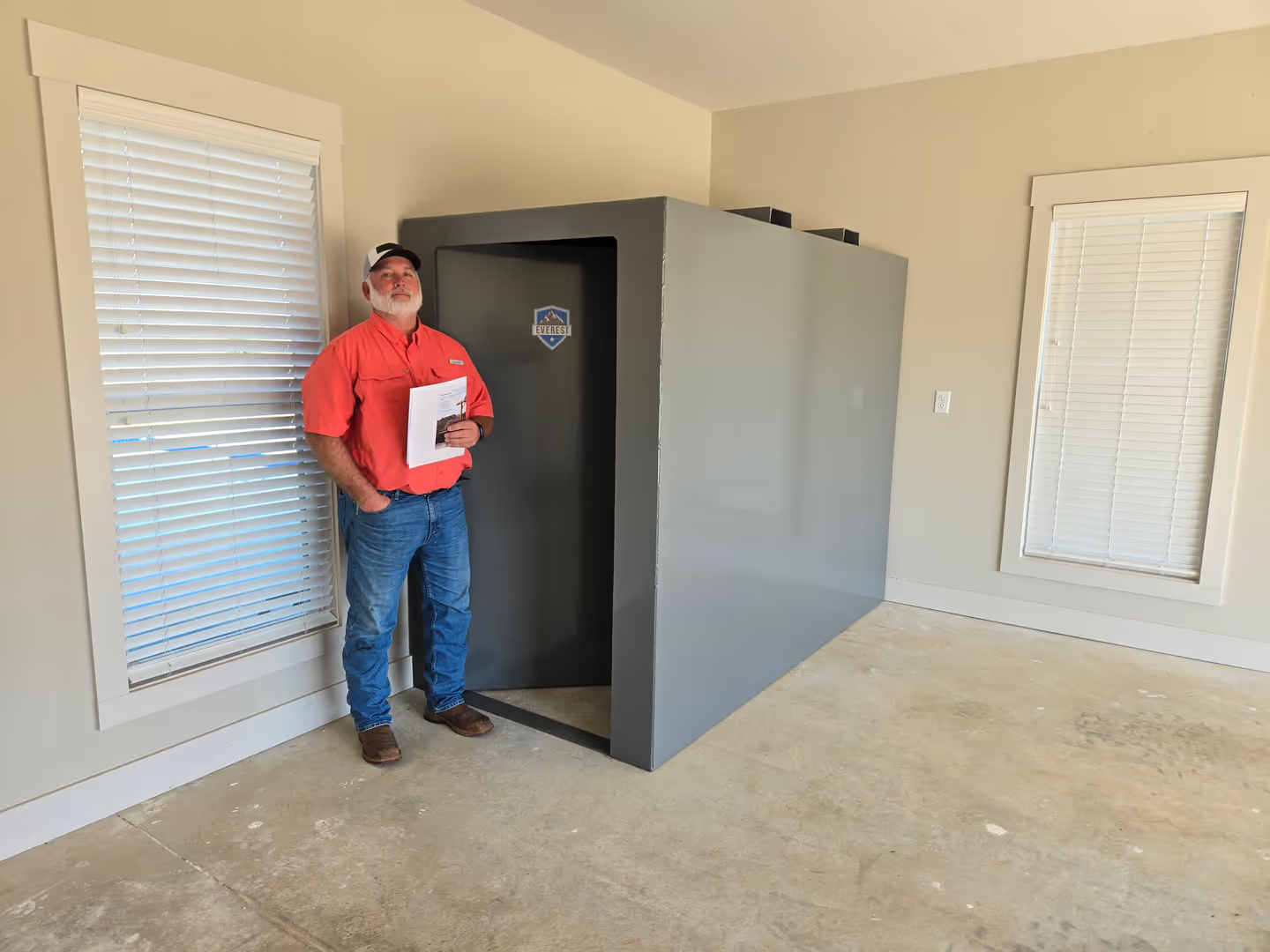
Many people believe garage shelters only work in newly builthomes, but most Alabama homes can add a saferoom to an existing garage.
To compare additional reinforced protection options, you canreference designs similar to a customized safe room through resourceslike this saferoom guide.
How to Choose, Install, and Maintain a Garage StormShelter
Choosing the right garage storm shelter involvesunderstanding key features, installation methods, and long-term upkeep. Eachstep ensures your shelter performs safely and effectively during Alabama’s mostintense weather events.
Step 1: Understanding the Features That Matter Most
Before selecting your garage storm shelter, it is essentialto understand which features directly impact safety and comfort. Materials,door strength, ventilation, and anchoring methods all play important roles inthe shelter’s performance. Models that follow guidelines from organizationslike FEMA meet the highest safety standards for tornado protection.
High-strength steel construction provides strong debrisresistance, while a proper anchoring system prevents the structure from liftingduring powerful winds. Adequate ventilation keeps air circulating duringextended stays, making the shelter more comfortable during emergencies. When ashelter complies with FEMA P-320 or ICC-500 standards, homeowners gainconfidence knowing the unit is built for extreme conditions.
Step 2: Evaluating the Installation Options Clearly
After understanding essential features, the next stepinvolves choosing the right installation method.
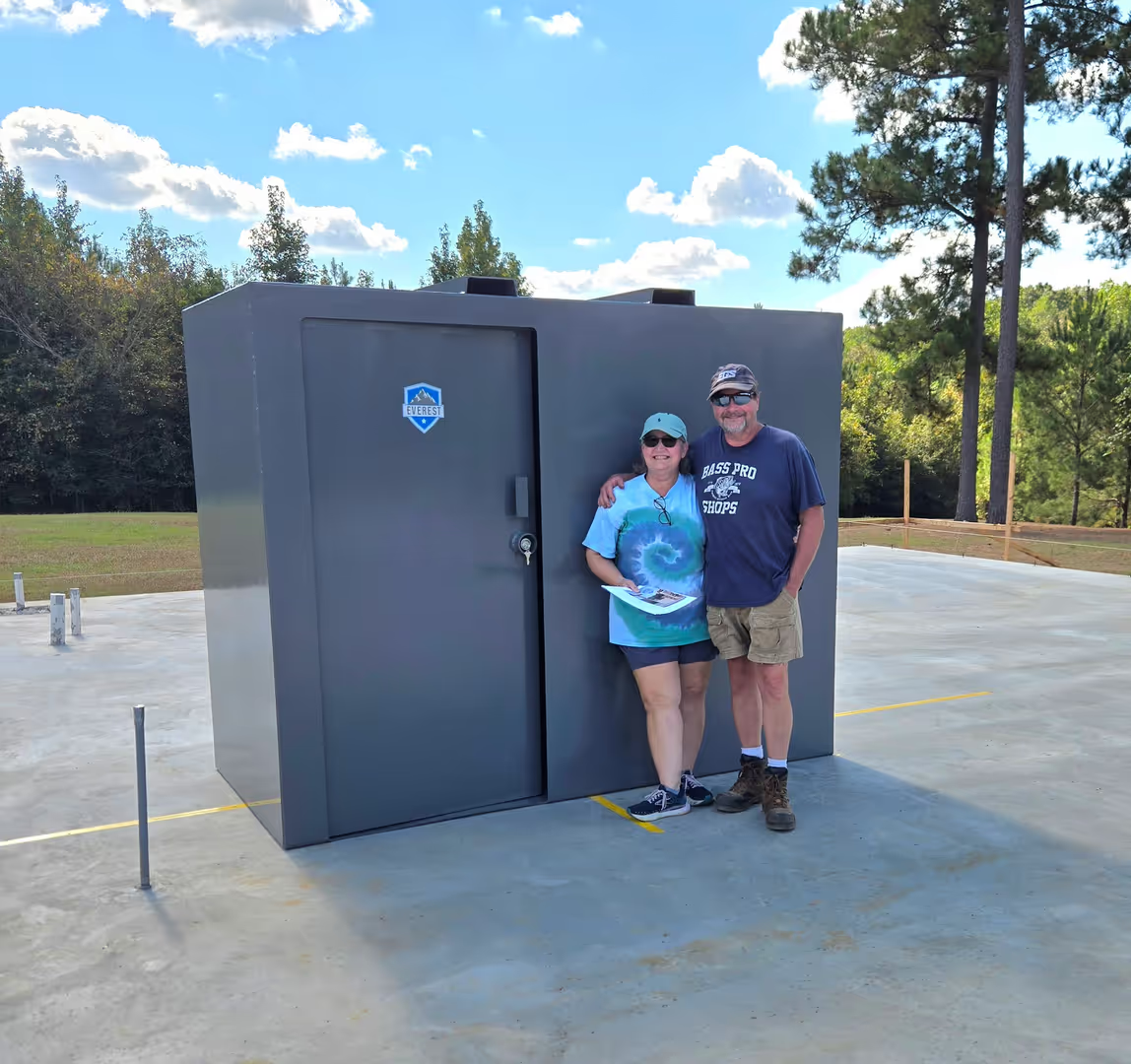
Above-ground units are ideal for homeowners who needwheelchair accessibility or prefer minimal construction work.
For those considering slab-mounted models, reinforced unitssuch as these above-ground storm shelter designs offer strong, reliable alternatives.
Step 3: Preparing Your Garage for Safe Placement
Preparing your garage ensures the shelter is positioned foreasy access and reliable performance. Installers evaluate the slab thickness,inspect for utilities beneath the floor, and determine the safest placementbased on vehicle parking and foot traffic.
Placement is important because it affects how quickly yourfamily can enter during an emergency. Once measurements and evaluations arecomplete, installation involves anchoring for above-ground designs.
Step 4: Maintaining Your Shelter for Long-Term Use
After installation, proper maintenance keeps your garage storm shelter ready for Alabama’s unpredictable weather. Routine checks include inspecting ventilation openings, verifying anchor strength, cleaning interiorsurfaces, and lubricating hinges for smooth operation.
Most manufacturers recommend annual inspections,particularly after harsh storm seasons. Maintaining emergency supplies such aswater, flashlights, first-aid kits, and batteries ensures your shelter remainsfunctional. For additional preparedness insights, organizations like the National Weather Service offervaluable storm safety guidance.
Practical Ways Alabama Families Use Garage Storm Shelters
Garage storm shelters are used by a wide range of Alabamahouseholds. Their convenience and accessibility make them a dependable solutionduring tornado warnings and severe thunderstorms.
Use Case 1: Busy Working Families
Families with full schedules often cannot quickly reachoutdoor shelters during a tornado warning. An above ground saferoom locatedjust steps from the interior door eliminates delays and reduces exposure todangerous weather. Many households report significantly faster response timesthanks to immediate indoor access.
Use Case 2: Households with Seniors or Mobility Needs
For families with seniors or individuals with mobilityconcerns, garage storm shelters provide a safer alternative to outdoor units.Above-ground designs improve accessibility, reduce physical strain, and makeemergency preparation far easier. This level of convenience is a major reasonmany Alabama homeowners prefer garage-based shelter options.
Use Case 3: Rural Homes Without Community Shelter Access
Rural households often lack access to public storm shelters.An in garage storm shelter provides dependable, always-available protection.For families in remote areas, having a private shelter reduces risk and ensuresimmediate safety during fast-developing storms.
Tips, Best Practices, and Common Mistakes to Avoid
Before investing in a garage storm shelter, it is importantto understand how to maximize its effectiveness and avoid mistakes that canimpact safety.
Choose FEMA-Approved Models Only
Shelters that meet FEMA P-320 or ICC-500 standards are builtto handle extreme debris impact and wind pressure. Certification ensuresreliable structural performance during tornadoes. Resources from FEMA help verify design andconstruction quality.
Do Not Block the Entry Path
A clear path is crucial during emergencies. Boxes, tools, orstored items should never block access to the shelter. Maintaining a clean andopen route ensures your family can move quickly to safety when severe weatherstrikes.
Maintain an Emergency Kit Inside the Shelter
Emergency kits should include flashlights, batteries,bottled water, first-aid items, weather radios, blankets, and appropriatefootwear. Keeping these items stocked ensures readiness during short-term orextended emergencies.
Install Carbon Monoxide and Weather Alarms Nearby
Environmental alarms offer additional protection bydetecting hazards early. Placing alarms inside or near the garage helps yourespond quickly. Organizations like the Alabama FEMA provide guidance on weather preparedness and home safety.
Schedule Annual Inspections
Professional inspections help ensure your storm shelterremains structurally sound and ready for use. Checking anchors, hinges, seals,and ventilation systems each year improves long-term performance and safety.
Why a Garage Storm Shelter Is Worth It
A garage storm shelter provides Alabama families with fast,protected, and dependable safety during tornado season. With its proximity tothe home’s living spaces, reinforced construction, and adaptable installationoptions, it delivers peace of mind exactly where it is needed.
By following the steps, tips, and considerations outlined inthis guide, you can confidently choose the right shelter for your home. Whenstorm season arrives, your protection plan is already in place. Costcomparisons from resources like HomeAdvisor can help homeowners evaluate garage tornado shelter cost and overall stormshelter cost decisions.
For those reviewing reinforced above-ground units, examplessuch asthese unpainted concrete storm shelters offer durable, long-lastingprotection options.
Frequently Asked Questions About Garage Storm Shelters
1. Is a garage storm shelter safe during an EF5 tornado?
Yes. FEMA-approved garage storm shelters are engineered to withstand EF5 tornado winds and debris impact. When anchored correctly and built with reinforced steel, these units meet the highest safety standards forextreme weather events.
2. How much does a garage storm shelter cost in Alabama?
Most Alabama homeowners pay between $4,000 and $10,000depending on materials, size, and installation type. Underground options oftencost more due to installation complexity. Cost comparisons from Home Advisor are helpful when evaluating storm shelter cost considerations.
3. Can you install a storm shelter in an existing garage?
Yes. Most homes can be retrofitted with either an above-ground or underground model. Installers will assess the concrete slab, utilities, and layout before recommending the most secure placement.
4. How many people can a garage storm shelter hold?
Sizes vary, but most residential shelters are built for 4 to12 people. Larger units are available for extended families or households that frequently host guests during storms.
5. Do garage storm shelters add value to a home?
Yes. Many Alabama buyers view storm shelters as valuable additions that boost home appeal and marketability. Properties with shelter soften attract more interest and may experience increased resale value.
.webp)