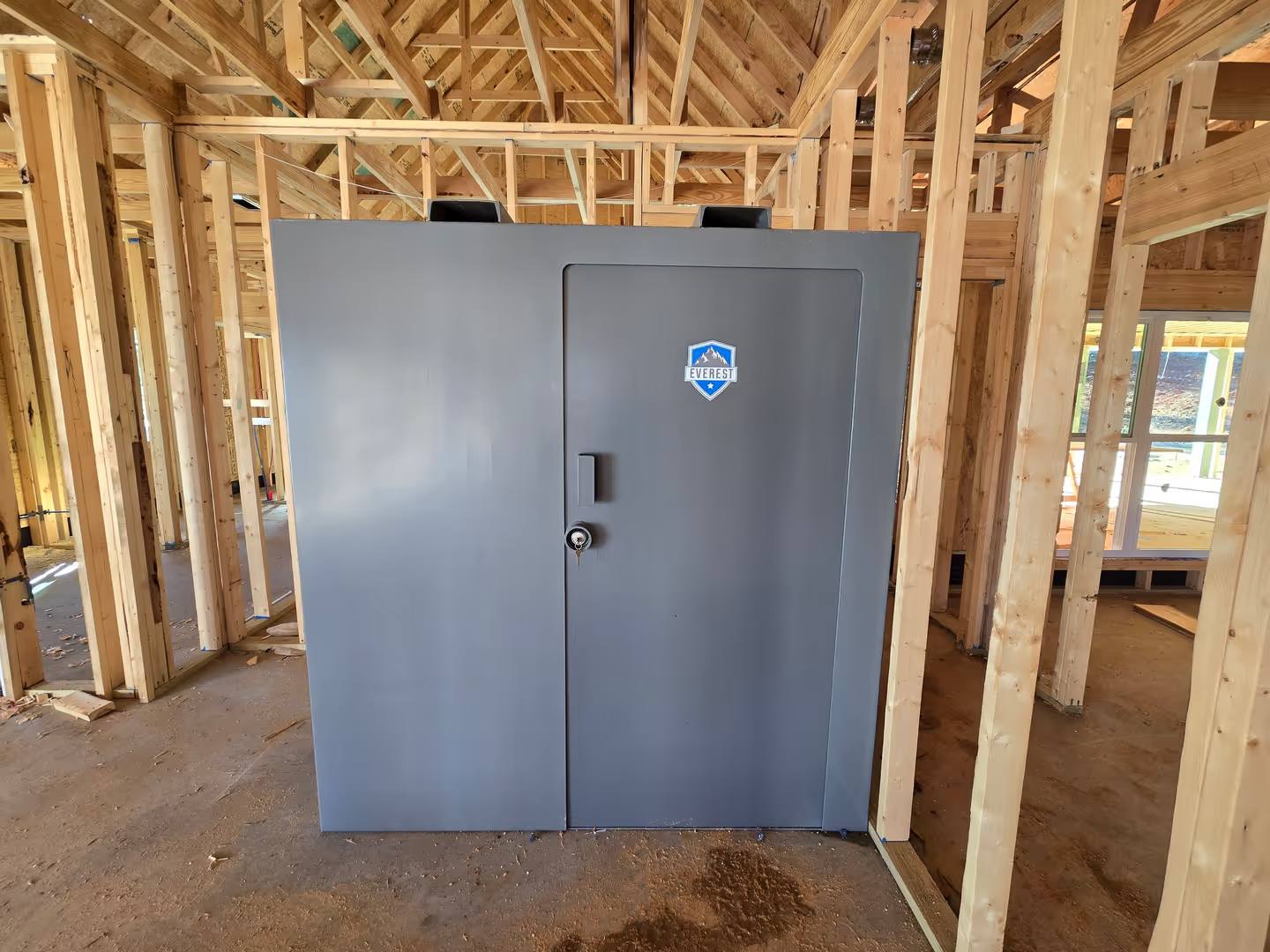
What Is a Storm Shelter and How Does It Protect You?

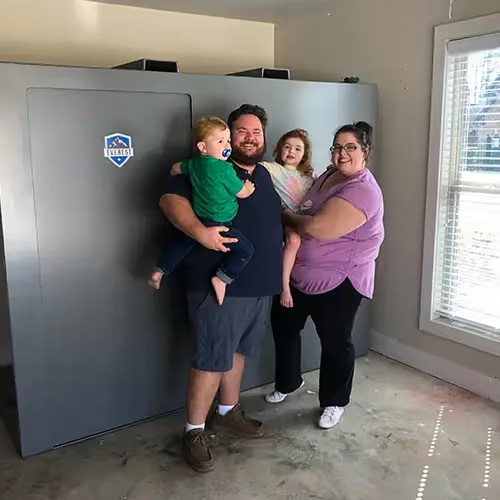
Every year, Alabama faces the unpredictable fury of nature, from powerful thunderstorms to devastating tornadoes. Situated in the heart of “Dixie Alley,” preparing for extreme weather isn’t just smart: it’s essential. One of the most effective ways to stay safe during these storms is by having a reliable storm shelter Alabama installed in your home.
A storm shelter is more than just a reinforced space: it’s a lifeline when natural disasters strike. It provides the protection and peace of mind every family deserves during Alabama’s volatile storm season.
In this guide, you’ll learn what a storm shelter is, how it protects you, the different types available, and why investing in one can mean the difference between safety and catastrophe.
Let’s explore how a well-built storm shelter in Alabama can safeguard your loved ones when severe weather hits.
Understanding Storm Shelters: What They Are and Why They Matter
A storm shelter is a specially designed structure built to provide safety during severe weather events such as tornadoes, hurricanes, or violent thunderstorms. These shelters are engineered to withstand extreme wind speeds, flying debris, and structural collapse — dangers commonly associated with Alabama’s tornado-prone climate.
What Defines a Storm Shelter
Storm shelters are typically made from high-strength materials such as steel, concrete, or fiberglass. Their main goal is to create a secure environment that can resist winds exceeding 250 mph, offering occupants maximum protection. Shelters can be installed above ground or below ground, depending on space, soil conditions, and homeowner preferences.
Why Storm Shelters Are Critical in Alabama
Alabama experiences some of the highest numbers of tornadoes in the Southeast, especially during spring and late fall. The combination of humid Gulf air and strong cold fronts creates perfect conditions for destructive storms.
Having a storm shelter Alabama ensures that when sirens blare and the skies turn ominous, families have a guaranteed safe haven. It’s not just about protection — it’s about preparedness and peace of mind.
In rural areas where emergency services may take longer to arrive, a below ground storm shelter or in ground storm shelter can mean the difference between life and death during a direct tornado strike.
How a Storm Shelter Works: Complete Protection Explained
A storm shelter is more than just a fortified room — it’s a meticulously designed system that prioritizes safety, durability, and accessibility. Here’s how a storm shelter in Alabama protects your family when severe weather hits.
1. Withstanding Extreme Wind Forces
Tornadoes can produce wind speeds exceeding 200 mph. Traditional homes, even those built to modern codes, cannot withstand that level of force. A storm shelter Alabama built to FEMA P-320 and ICC 500 standards can resist direct EF5-level tornadoes.
Steel reinforcement, thick concrete walls, and specialized anchoring systems ensure the shelter remains intact even if the surrounding structure is destroyed.
2. Deflecting Flying Debris
One of the greatest threats during a storm is debris impact — tree branches, metal fragments, and roofing materials can become deadly projectiles.
Above ground storm shelters and underground storm shelters undergo debris impact testing, ensuring the walls and storm shelter door can withstand hits from a 15-pound 2x4 traveling at 100 mph.
3. Maintaining Structural Integrity
A properly designed inground storm shelter prevents structural failure under extreme pressure. Even if nearby buildings are leveled, the shelter stays anchored to the foundation — critical for Alabama’s open plains.
4. Airtight, Secure Doors and Vents
High-quality shelters include impact-resistant storm shelter doors with multi-bolt locking systems and reinforced hinges. They’re also equipped with ventilation systems that maintain airflow while keeping out debris.
5. Location and Accessibility
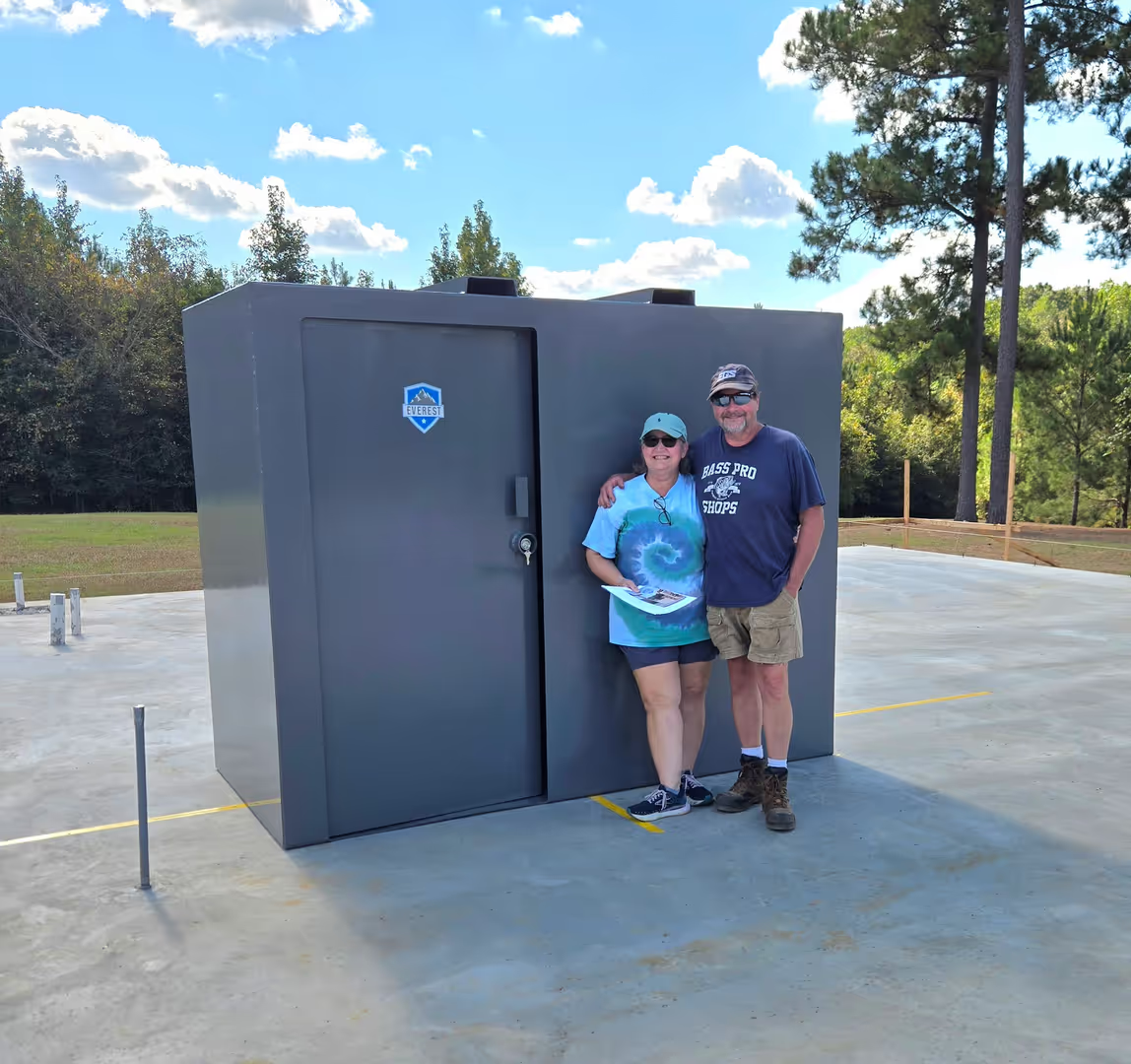
An above ground storm shelter offers easy accessibility, ideal for the elderly or people with mobility challenges.
Underground storm shelters provide enhanced debris protection but require careful drainage and entry safety. Both meet FEMA safety requirements when properly installed.
6. Communication and Emergency Supplies
Modern storm shelters often include lighting, emergency kits, and communication tools. This self-sufficiency is vital if a storm causes power outages or blocked exits.
7. Peace of Mind During Alabama Storm Season
Knowing your family has a storm shelter Alabama ready gives unmatched peace of mind. Quick access means faster response during tornado warnings and safer sheltering.
Types of Storm Shelters in Alabama: Finding the Right Fit for Your Home
Choosing the right storm shelter Alabama depends on your property layout, budget, and accessibility needs. Here are the most common types:
1. Underground Storm Shelters
Installed below ground in a yard or garage, these underground storm shelters are protected by natural earth layers, offering excellent resistance to wind and debris.
Pros: Superior protection, hidden design, temperature stability.
Cons: Requires careful drainage and accessibility planning during floods.
Learn more about underground storm shelters available for Alabama homeowners.
2. Above-Ground Storm Shelters
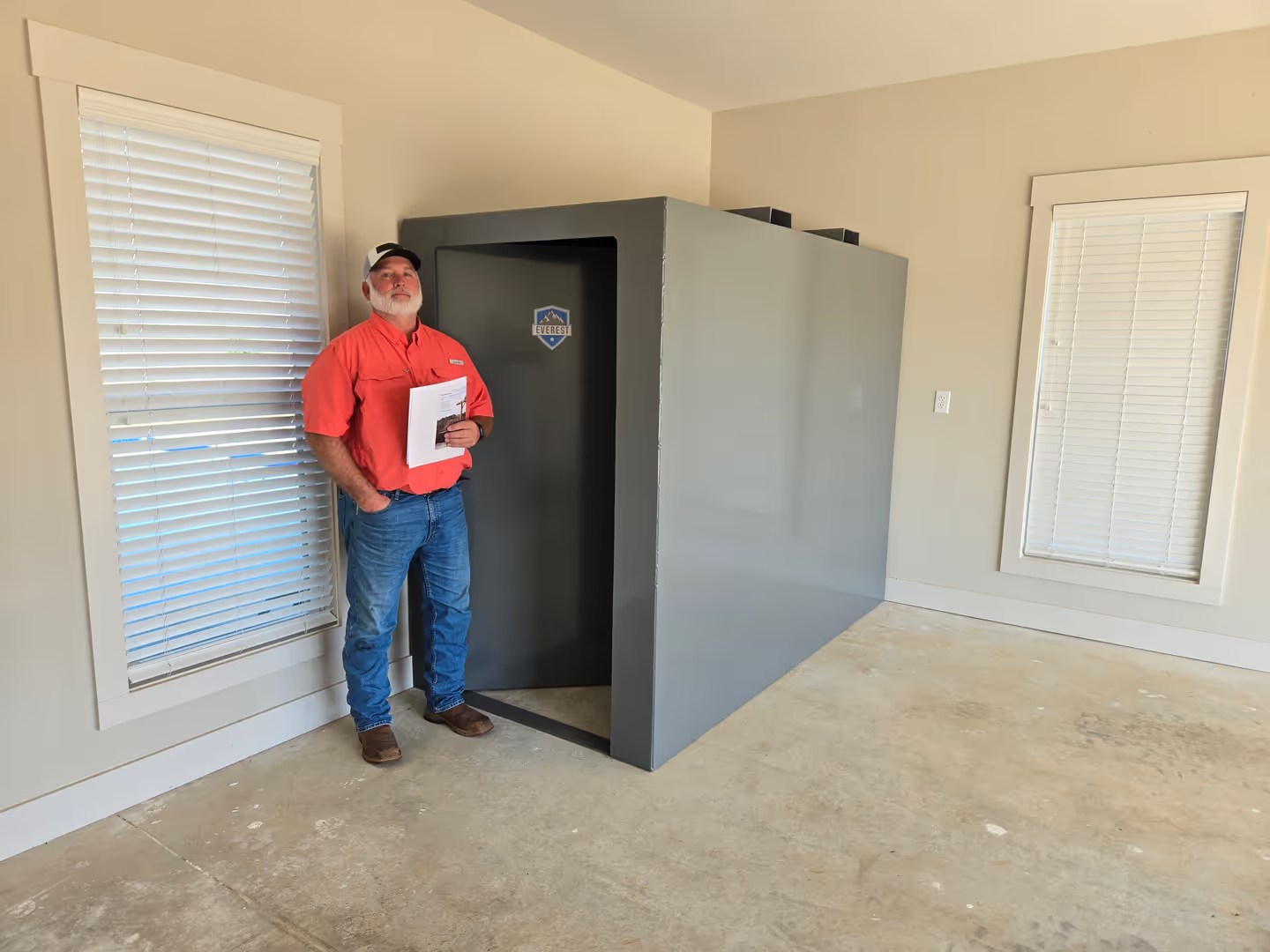
Built inside garages, basements, or near homes, above ground storm shelters provide quick access during fast-developing storms.
Pros: Easy entry, accessible for seniors or those with disabilities.
Cons: Must meet strict wind-resistance standards.
Explore above ground storm shelter options that combine strength and convenience.
3. Community or Commercial Shelters
These shelters, found in schools, churches, or workplaces, protect large groups during severe weather. See community storm shelters for Alabama’s rural and suburban regions.
4. Custom-Built Residential Shelters
Lake Martin Storm Shelters offers customized storm shelter solutions tailored to your home, soil type, and family needs. These can be integrated into basements or garages for a seamless design.
Real-Life Examples: Storm Shelters Saving Lives in Alabama
Alabama residents have countless stories proving the lifesaving value of storm shelters:
- Tuscaloosa, 2011 Tornado: Families in underground storm shelters survived an EF4 tornado that flattened entire neighborhoods.
- Cullman County, 2020: An above ground storm shelter protected a family of five while their home was destroyed.
- Lake Martin Area, 2023: Homeowners safely sheltered inside a Lake Martin Storm Shelter, avoiding harm during widespread damage.
These examples demonstrate that investing in a storm shelter Alabama isn’t about luxury — it’s about survival.
Expert Insights: Tips for Choosing and Maintaining a Storm Shelter
Selecting the right storm shelter Alabama involves ensuring safety, certification, and maintenance.
1. Verify Certification
Always choose FEMA and ICC 500 certified shelters. This ensures the garage storm shelter or in ground storm shelter meets national safety standards.
2. Professional Installation
Have your shelter installed by certified professionals familiar with Alabama’s weather and soil conditions.
3. Regular Inspections
Check your storm shelter door, bolts, and seals annually. Maintain ventilation and replace emergency supplies as needed.
4. Accessibility and Emergency Kits
Ensure easy access, even during power outages, and stock flashlights, water, and first aid kits for safety.
For additional preparedness tips, visit trusted resources like FEMA, NOAA, and Alabama EMA.
Stay Safe, Stay Ready: The Value of Storm Shelters in Alabama
When it comes to storm safety, preparation saves lives. Alabama experiences dozens of tornadoes yearly, and severe weather can strike suddenly. A storm shelter Alabama provides reliable, proven protection when it matters most.
By investing in a professionally designed shelter from Lake Martin Storm Shelters, you’re not just protecting your home — you’re protecting your family’s future.
A storm shelter offers peace of mind, resilience, and security against Alabama’s unpredictable weather.
Frequently Asked Questions (FAQs)
1. How long can you stay in a storm shelter?
Most storms require sheltering for 30 minutes to an hour, though shelters can safely house occupants for several hours.
2. Are above-ground storm shelters safe?
Yes. Properly anchored above ground storm shelters can withstand EF5 tornadoes and are FEMA-approved.
3. How much does a storm shelter cost in Alabama?
The storm shelter cost typically ranges between $4,000 and $10,000 depending on size, materials, and customization.
4. Can I install a storm shelter in my garage?
Absolutely. Garage storm shelters are popular for accessibility and safety.
5. Do storm shelters require maintenance?
Minimal upkeep is needed — inspect annually and keep supplies stocked for readiness.
.webp)