Exploring Storm Shelter Options in Opelika, AL: What You Need to Know

Every year, Alabama experiences severe storms that put lives and property at risk, and Opelika sits directly in the path of this danger. Located in the heart of Dixie Alley, the region is known for fast-forming, powerful tornadoes that often strike with little warning. Unlike hurricanes, which may give residents days to prepare, tornadoes can develop in minutes, leaving families scrambling to find safe shelter.
In moments like these, storm shelters in Opelika, AL are not just a smart upgrade, they are a life-saving necessity. Interior bathrooms, hallways, or closets may offer limited protection, but they are not designed to withstand direct tornado impacts or flying debris traveling at over 200 mph. FEMA-approved storm shelters, on the other hand, are engineered specifically to protect lives during extreme weather.
This in-depth guide will help you understand storm shelter options in Opelika, how they compare to shelters across Alabama and neighboring Georgia, what they cost, and how to choose the right solution for your family, before the next storm hits.
Understanding the Storm Risk in Opelika and Auburn, Alabama
Opelika and nearby Auburn sit in a region that consistently ranks among the most tornado-prone areas in the United States. Tornadoes in Auburn, Alabama and the surrounding Lee County area have caused significant damage over the years, destroying homes, schools, and businesses.
Several factors increase the risk in this region:
- Warm, moist air from the Gulf of Mexico colliding with cooler systems
- Flat to rolling terrain that allows tornadoes to stay on the ground longer
- Dense residential development with limited public shelter access
This risk profile is similar to other high-impact areas such as storm shelters in Birmingham, AL and storm shelters in Tuscaloosa, AL, where private residential shelters have become increasingly common. Opelika homeowners face the same reality: preparation saves lives.
Why Standard Homes Are Not Enough During Tornadoes
Modern homes are built to code, but building codes are not designed for EF4 or EF5 tornadoes. Roof uplift, wall collapse, and shattered windows are common during strong storms. The leading cause of tornado-related injuries is flying debris, not wind alone.
FEMA-approved storm shelters solve this problem by offering:
- Reinforced walls and doors
- Impact resistance against high-speed debris
- Anchoring systems that resist uplift and sliding
- Ventilation systems that remain functional during pressure changes
For families in Opelika, relying on a hallway or bathroom is a gamble. A properly installed shelter dramatically increases survival odds.
Types of Storm Shelters Available in Opelika, AL
Choosing the right shelter depends on space, budget, accessibility needs, and soil conditions. Below are the most common options for local storm shelters in the Opelika area.
1. Underground Storm Shelters
Underground storm shelters are among the safest options available and are widely used across Alabama.
Key benefits include:
- Maximum protection from wind and debris
- Natural insulation from heat and cold
- Discreet installation that preserves yard appearance
They are typically installed in backyards or beneath garage floors and are built from steel, concrete, or fiberglass. You can explore professionally installed options through underground storm shelters designed specifically for Alabama soil and weather conditions.
Considerations:
- Requires excavation
- Drainage planning is critical to prevent water intrusion
- May be less accessible for individuals with mobility challenges
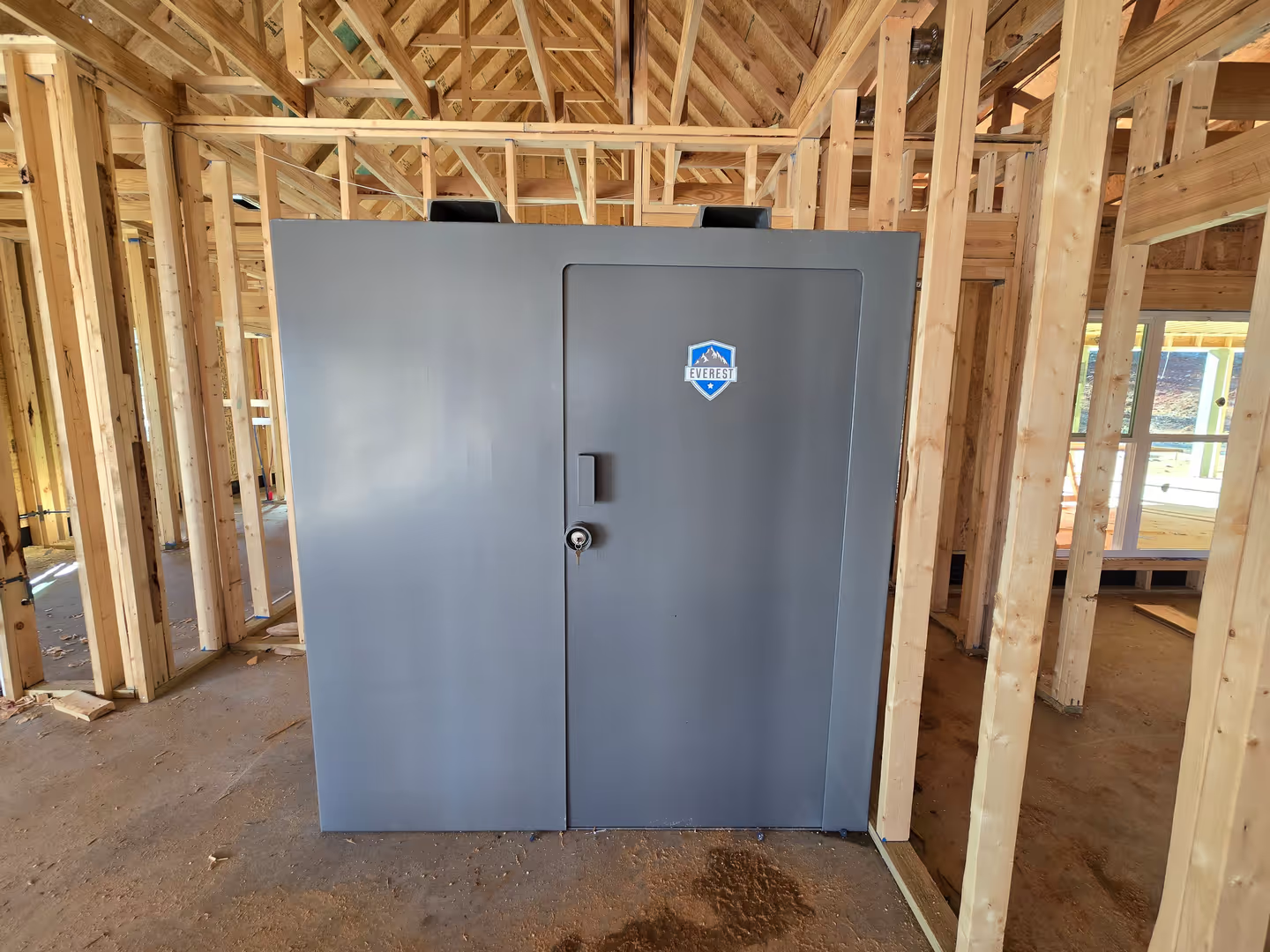
2. Above-Ground Storm Shelters and Safe Rooms
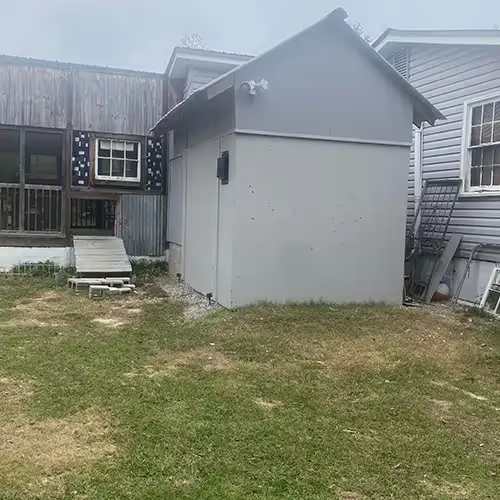
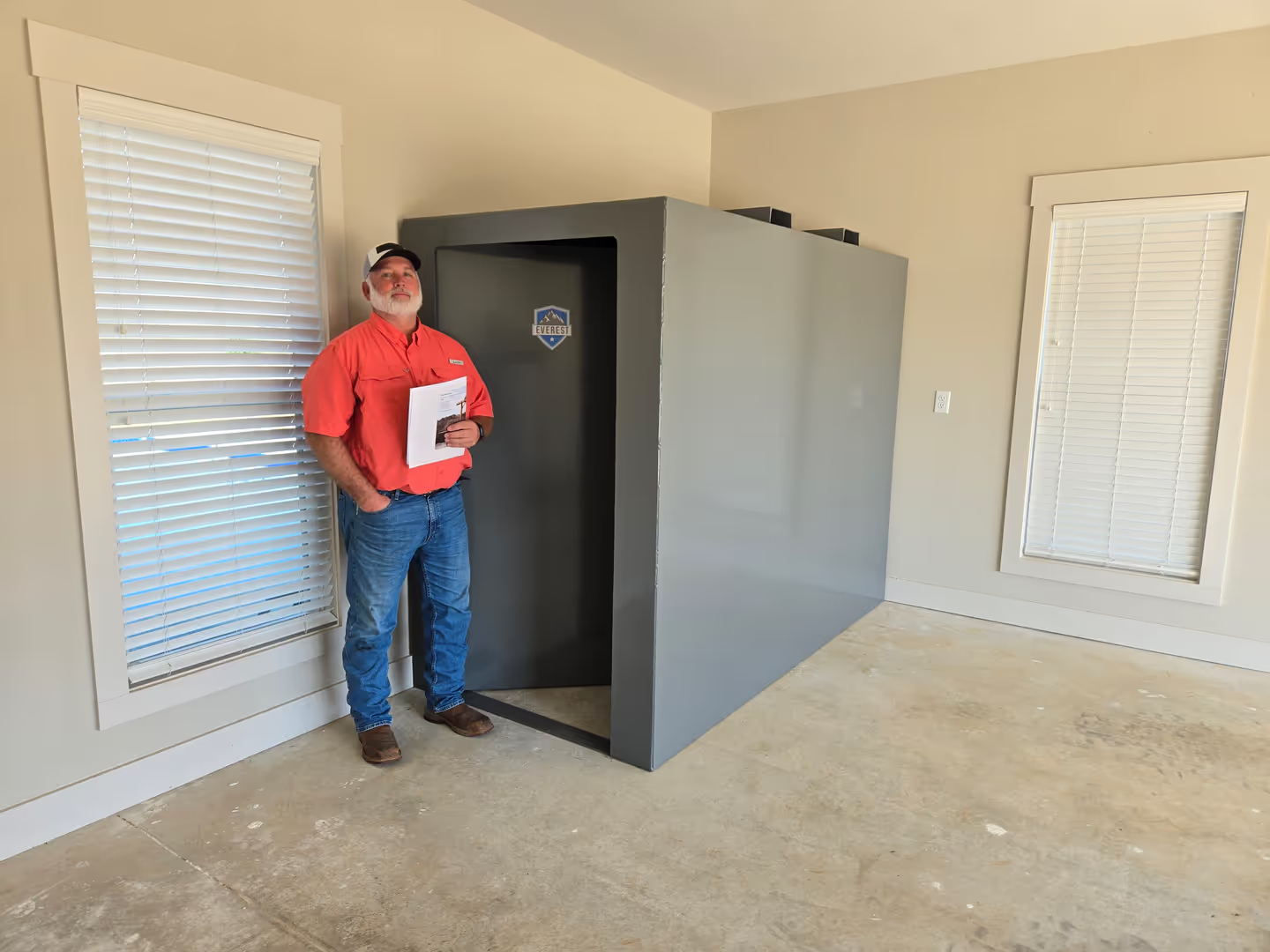
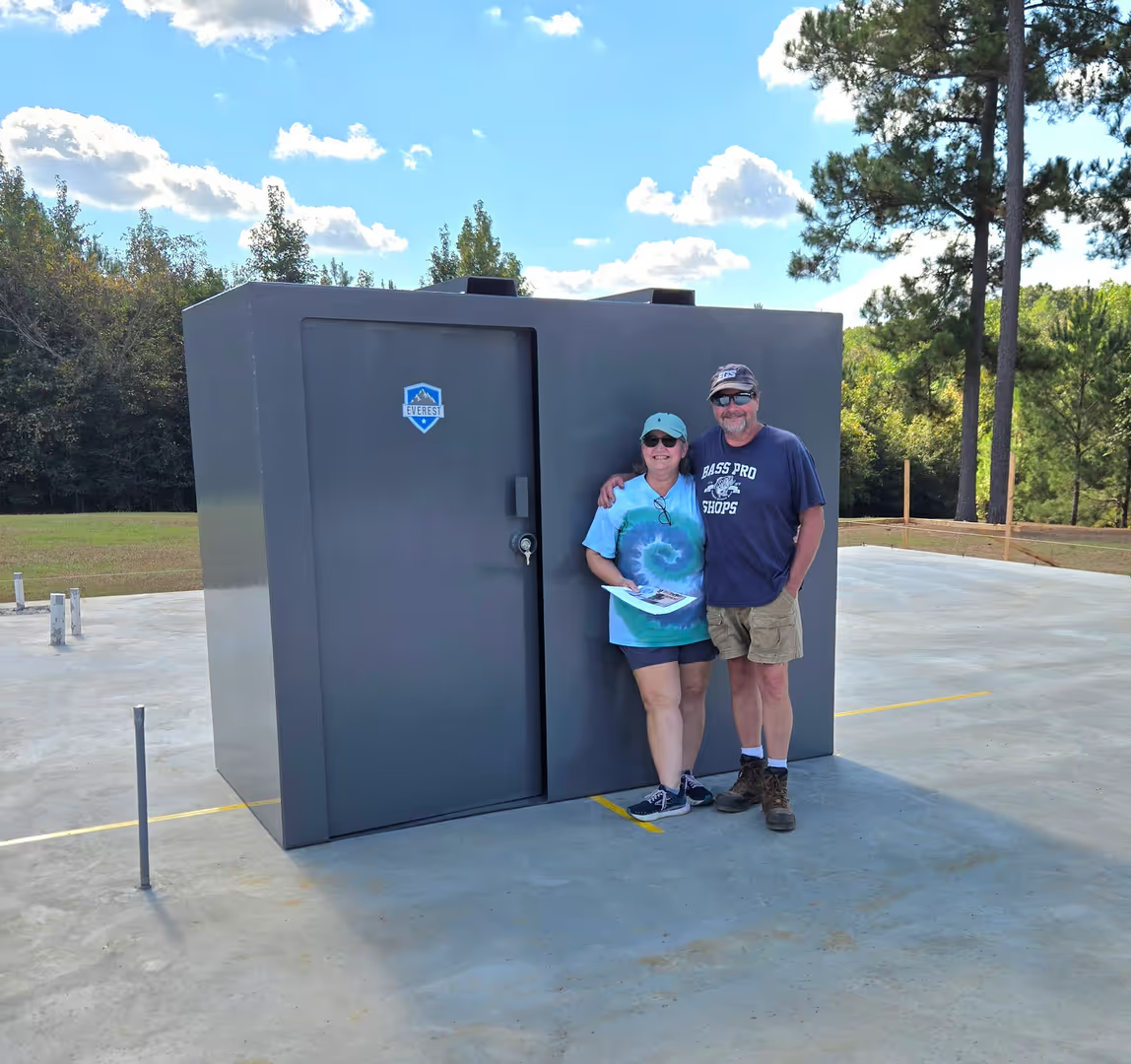
Above-ground storm shelters are increasingly popular in Opelika due to their accessibility and quick installation.
Advantages include:
- Easy access for children, elderly residents, and people with disabilities
- No excavation required
- Can be installed in garages, carports, or inside homes
- FEMA-rated to withstand EF5 tornado winds
Learn more about durable options through above-ground storm shelters and reinforced models like the unpainted concrete above-ground storm shelter.
Trade-offs:
- Takes up interior or garage space
- Slightly more exposed than underground units, though still highly protective
3. In-Garage Storm Shelters
Garage storm shelters combine convenience and safety. They are either recessed into the garage floor or installed as standalone reinforced units.
Why homeowners choose them:
- Immediate access without going outdoors
- Protected from falling trees and debris
- Minimal impact on yard or home layout
These are ideal for families who want fast access during nighttime tornado warnings.
4. Community Storm Shelters vs. Personal Shelters
Opelika and nearby communities do offer public storm shelters, but they come with limitations:
- Travel time during severe weather
- Potential overcrowding
- Limited availability during widespread outbreaks
Personal shelters eliminate these risks by providing immediate, guaranteed access. However, community shelters still play an important role for schools, churches, and mobile home communities. You can explore large-capacity options through community shelters.
How Opelika Compares to Alabama and Georgia Storm Shelter Trends
Demand for AL storm shelters has risen sharply in recent years, mirroring trends in neighboring states. Many homeowners searching for storm shelters in Georgia, tornado shelters Georgia, or Georgia storm shelters face similar weather risks and make similar decisions.
What sets Opelika apart is:
- Proximity to Auburn University and dense residential areas
- Rapid suburban growth
- Limited basements due to soil conditions
These factors make professionally installed shelters, both above-ground and underground, especially important for local residents.
Key Factors to Consider When Choosing a Storm Shelter in Opelika
Size and Capacity
Your shelter should comfortably fit:
- All household members
- Pets
- Emergency supplies (water, first aid, radio, flashlights)
Many homeowners underestimate space needs. Crowded shelters increase stress and reduce usability during extended warnings.
Materials and Certification
Always choose FEMA- and ICC-500–compliant shelters. Common materials include:
- Steel for strength and durability
- Concrete for long-term resilience
- Fiberglass for corrosion resistance
Certification ensures the shelter has been tested against debris impact and extreme wind loads.
Location and Accessibility
Your shelter should be reachable within seconds. Whether it’s in a garage, backyard, or inside the home, accessibility matters, especially at night or during heavy rain.
Ventilation and Preparedness
Proper airflow is essential. Ensure the shelter includes:
- Ventilation ports
- Emergency lighting
- Communication options if possible
Stock the shelter with non-perishable food, water, medications, and a weather radio.
Cost vs. Safety
Cutting corners on safety is risky. Instead of compromising quality, explore financing and rebate programs available in Alabama.
Storm Shelter Costs in Opelika, AL
Typical price ranges include:
- Underground storm shelters: $3,000–$10,000
- Above-ground storm shelters: $4,000–$12,000
- Garage storm shelters: Varies by design and installation
- Community shelters: Funded through organizations or municipalities
Costs vary based on size, materials, site conditions, and customization.
Grants, Rebates, and Financing Options
Many Opelika homeowners qualify for assistance programs, including:
- Alabama Safe Room Rebate Program
- FEMA Hazard Mitigation Grant Program
- Local emergency management incentives
These programs can significantly reduce out-of-pocket costs while ensuring you get a certified shelter.
Permits and Local Regulations in Opelika
Before installation:
- Obtain required city permits
- Schedule inspections after installation
- Check HOA guidelines if applicable
Working with an experienced local installer simplifies this process and ensures compliance.
Maintaining Your Storm Shelter
Routine maintenance ensures your shelter works when it matters most:
- Inspect annually for rust, leaks, or door issues
- Test locking mechanisms
- Refresh emergency supplies every six months
- Practice family drills so everyone knows what to do
Final Thoughts: Preparing Opelika Families Before the Next Storm
Severe weather is not a question of if, but when. For families in Opelika and the surrounding Auburn area, storm shelters provide unmatched protection, peace of mind, and long-term value.
Whether you choose an underground unit for maximum protection or an above-ground safe room for accessibility, the most important step is acting before the next warning siren sounds.
Next Steps
- Evaluate your home and family needs
- Explore certified shelter options
- Research grants and financing
- Contact a trusted local storm shelter provider
Preparation today can save lives tomorrow. Investing in storm shelters in Opelika, AL is one of the most responsible decisions you can make for your family’s safety.
.webp)