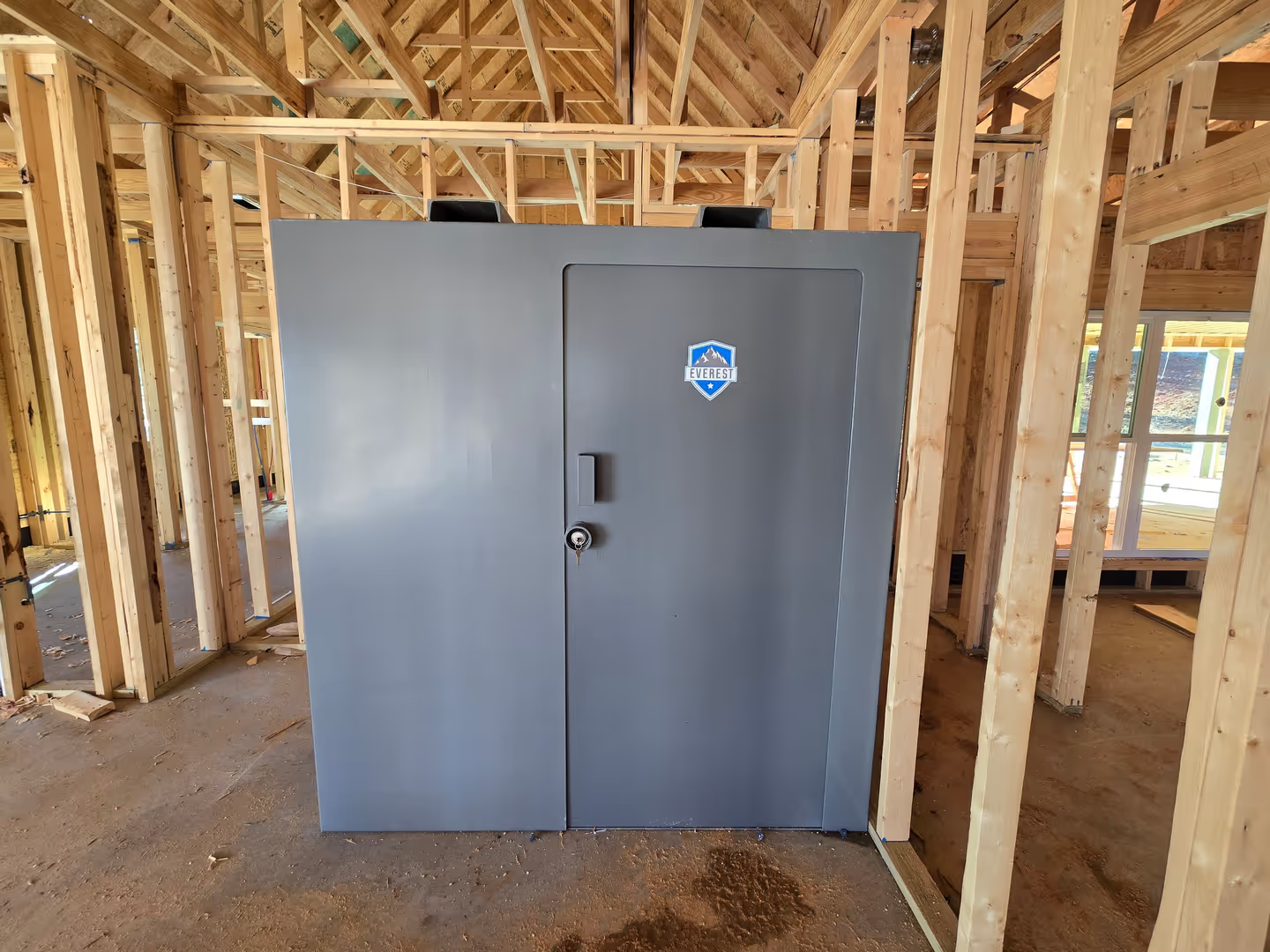
Can Smart Technology Make Storm Shelters Safer? Exploring Modern Innovations


Ever wonder how much safer your family could be during a severe storm if your shelter could think for itself? With technology advancing faster than ever, even something as traditional as a storm shelter is getting a smart upgrade. From real-time weather alerts to automated ventilation systems, these innovations are transforming how we prepare for and experience severe weather. Smart technology isn’t just about convenience—it’s about protection. When storms strike, every second counts, and the right tools can mean the difference between being informed and being caught off guard.
By integrating smart storm shelters, modern storm safety systems, and AI powered storm shelters into your home, you can enhance safety, improve communication, and ensure your shelter is ready when you need it most. These shelters are no longer passive spaces—they actively respond to threats, alerting occupants and adjusting conditions automatically. This matters because preparedness is everything.
As extreme weather events become more frequent, homeowners are seeking smarter, more reliable ways to stay safe. Investing in intelligent storm shelter design and next generation storm shelters offers peace of mind, knowing your refuge can respond, adapt, and protect efficiently. In this article, we’ll explore how automated emergency shelters, safety monitoring shelters, and advanced shelter communication systems are transforming protection. By the end, you’ll understand how storm shelter innovations are turning simple shelters into intelligent, proactive safe havens. For insights on placement and safety, see the safest spot for a storm shelter.
The Evolution of Storm Shelter Safety and Technology
Storm shelters have been a cornerstone of home safety for generations, offering families a refuge during severe weather. Traditionally, these structures were simple and sturdy, often built underground or from reinforced steel using smart construction materials to withstand high winds, debris, and flying objects. Over time, as weather patterns became more unpredictable, the need for stronger, more efficient shelters grew. What started as basic protection has now evolved into a sophisticated blend of engineering and technology.
Historically, storm shelters relied primarily on structural integrity—thick walls, strong doors, and strategic placement. But as technology advanced, shelters became not just stronger but smarter. IoT storm shelters now include sensor equipped storm shelters, automated air filtration, temperature regulation, and remote controlled storm shelter monitoring. These innovations combine protection, connectivity, and automation.
Modern homeowners increasingly prioritize connected storm protection, weather alert shelters, and digital storm warning system integration to stay informed before danger strikes. For those weighing options, understanding the differences between above-ground vs. underground tornado shelters is crucial. Those considering above-ground shelters can review requirements and supplies.
With these advancements, storm shelters are transforming from static safe rooms into dynamic, intelligent systems. They respond to conditions in real time, adapt automatically, and communicate critical information during emergencies. Budgeting considerations are also essential; for guidance, see storm cellar costs and budgeting tips. The integration of technology is creating a new era of safety—next generation storm shelters designed to anticipate threats and maximize protection.
Understanding Smart Technology in Modern Storm Shelters
Today, storm shelters are more than reinforced concrete boxes—they are connected, intelligent ecosystems. The integration of tornado shelter technology and high tech disaster shelters allows families to monitor and respond to emergencies proactively.
Key components of smart storm shelters include:
- Smart Sensors and Alerts – Detect changes in weather conditions, air quality, or structural integrity. Shelter safety sensors and wireless safety monitoring systems send real-time updates directly to your devices.
- Backup Power Systems – Keep critical devices running during outages, supporting energy efficient storm shelters.
- Integrated Communication Tools – Ensure contact with loved ones and emergency services, a cornerstone of connected disaster response.
- Climate and Air Quality Controls – Maintain safe, comfortable air inside the shelter, a feature of real time weather shelters and smart home emergency shelters.
- Automated Locking and Entry Systems – Provide secure, fast access using automated lockdown systems.
Homeowners may use predictive storm technology to automatically alert family members and unlock doors when warnings are issued. Intelligent evacuation systems can manage airflow and filtration to keep occupants safe. This proactive approach ensures shelters do more than protect—they anticipate threats and adapt in real time.
For families comparing options, above-ground vs. underground tornado shelters offer different advantages, from easier installation to long-term resilience. Integrating these technologies turns a traditional safe room into a next generation storm shelter, capable of responding intelligently to severe weather.
The Real Benefits of Smart Storm Shelter Technology
The advantages of smart storm shelters, AI powered storm shelters, and modern storm safety systems go far beyond convenience. They provide real-time protection, peace of mind, and efficiency during unpredictable events. Key benefits include:
- Enhanced Early Warning Systems – Sensor alerts and real-time weather data give families more preparation time.
- Improved Communication – Radios, smartphone connectivity, and integrated systems maintain links even when networks fail.
- Greater Comfort and Livability – Air filtration, temperature control, and lighting make sustainable emergency shelters more livable.
- Energy and Power Reliability – Backup batteries, solar-powered systems, and hybrid energy solutions ensure functionality during outages.
- Peace of Mind Through Automation – Storm protection automation reduces manual intervention, letting shelters respond efficiently.
Case study: a family in Alabama installed mobile storm shelters synced to NOAA alerts. During a tornado warning, the shelter automatically locked, adjusted airflow, and notified all members within seconds. This demonstrates how technology in disaster safety can make a life-saving difference.
Beyond protection, these systems improve resilience, reduce stress, and ensure operational continuity for businesses, schools, and community facilities. Investing in storm shelter innovations is increasingly recognized as an essential step in modern disaster preparedness.
Understanding the Challenges
Even advanced shelters face challenges. Homeowners using home storm protection tech often encounter:
- Installation Costs – Advanced systems can require higher upfront investment.
- Technical Maintenance – Software updates, sensors, and connectivity require ongoing attention.
- Connectivity and Power Issues – Outages can impact performance if not backed up.
- Complexity – Non-tech users may struggle with apps, voice commands, or monitoring systems.
- Reliance on Smart Ecosystems – If one component fails, others may be affected temporarily.
These hurdles are manageable. Using energy efficient storm shelters, regular testing, hybrid power systems, and professional installation ensures functionality during emergencies. Training families on voice activated shelters and safety monitoring shelters helps reduce human error and improves confidence during storms.
Proper planning transforms challenges into opportunities, ensuring data driven storm shelters and innovative shelter engineering remain reliable when they are needed most.
How to Integrate Smart Technology into Your Shelter
Integrating technology begins with a structured approach. Steps for upgrading to AI powered storm shelters, smart storm shelters, and predictive storm technology include:
- Assess Current Shelter Setup – Identify existing systems and gaps.
- Choose the Right Smart Systems – Include sensor equipped storm shelters, air quality monitors, and backup power solutions.
- Plan for Power and Connectivity – Ensure reliable battery, solar, or grid power.
- Hire Certified Installers – Professionals ensure compliance and safety.
- Test and Familiarize Yourself – Conduct drills to ensure smooth operation.
- Maintain and Update – Keep software, sensors, and batteries current.
Integrating automation platforms like SmartThings, Alexa, or Google Home creates a cohesive smart environment, enhancing safety and connectivity.
The Future of Smart Storm Shelters
The next generation of storm shelters will be highly proactive, integrating AI powered storm shelters, GPS tracking storm shelters, and predictive storm technology. Innovations include autonomous lockdowns, intelligent filtration, off-grid energy, and health monitoring systems.
These shelters function as intelligent partners, adjusting conditions, notifying authorities, and guiding occupants with minimal input. Homeowners, designers, emergency responders, and communities benefit from connected disaster response, faster data, and safer outcomes.
Staying informed about emerging storm shelter innovations ensures your shelter is ready for the future. Features like advanced shelter communication and automated emergency shelters will become standard in cutting-edge storm preparedness.
Building a Safer Tomorrow
Smart storm shelters redefine preparedness, combining intelligent storm shelter design, next generation storm shelters, and automation for maximum protection. From storm shelter innovations to advanced shelter communication, these systems provide comfort, peace of mind, and proactive safety.
Whether for families, businesses, or communities, embracing home storm protection tech, mobile storm shelters, and data driven storm shelters ensures readiness for any storm. Long-term investments in resilient shelter design, smart construction materials, and energy efficient storm shelters create safer, smarter, and more sustainable protection.
By combining technology, design, and automation, the future of storm shelters is intelligent, connected, and fully integrated, ensuring every home, school, or business can face severe weather with confidence and resilience.
.webp)