Backyard Storm Shelters: Installation and Maintenance Tips

The Need for a Reliable Backyard Storm Shelter in Alabama
If you’ve ever watched a line of dark clouds roll across your Alabama neighborhood and felt that familiar knot in your stomach, you’re not alone. Severe weather, especially tornadoes, creates real fear, uncertainty, and risk for homeowners. A backyard storm shelter offers one of the most reliable ways to protect your family when every second counts, but knowing how to choose, install, and maintain one can feel overwhelming.
For many Alabama homeowners, questions come up quickly: what type of shelter works best in the yard, and how to keep it safe, clean, and reliable over time. This guide simplifies the process. You’ll learn how storm shelter installation works, what to expect from maintenance, and how to keep your shelter ready during Alabama’s most active storm seasons. By the end, you’ll feel confident taking the next step toward better safety and preparedness, starting right in your backyard.
Let’s break down the essentials so you can protect what matters most.
Why Backyard Storm Shelters Matter in Alabama
A backyard storm shelter is more than a structure, it’s a dedicated safe space designed to withstand the extreme wind speeds and flying debris that tornadoes often bring. Alabama sits in a high-risk weather corridor, so having a secure place to take shelter can dramatically reduce the danger during severe storms.
Backyard installations are especially valuable because they provide immediate access, even when visibility is low or debris blocks the front door. That speed and convenience can make a life-saving difference. Here’s why backyard storm shelters continue to grow in popularity:
- Provide instant access during tornado warnings
- Reduce exposure to flying debris and structural collapse
- Offer peace of mind during unpredictable weather
- Increase property value and long-term safety
Even so, many homeowners underestimate the planning and upkeep required. To get the most out of your shelter, and ensure safety during every storm, you need to understand installation, maintenance, and ongoing care. Guidance from organizations like FEMA, the National Weather Service, and Ready.gov also helps families stay prepared during severe weather events.
How to Install and Maintain a Backyard Storm Shelter in Alabama
This section introduces the essential steps needed to ensure your backyard storm shelter remains safe, durable, and ready during severe weather. Installation and maintenance both play a critical role in long-term performance, especially in Alabama’s climate.
Preparing Your Shelter Plan
Planning is the foundation of any effective backyard storm shelter installation. Before digging or purchasing materials, the goal is to understand what your yard can support and how the design meets Alabama building standards. Proper planning ensures long-term reliability and eliminates costly mistakes later.
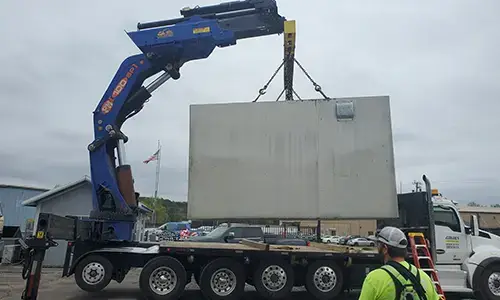
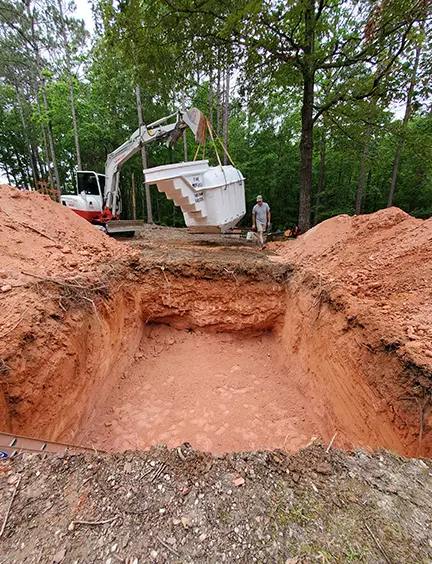
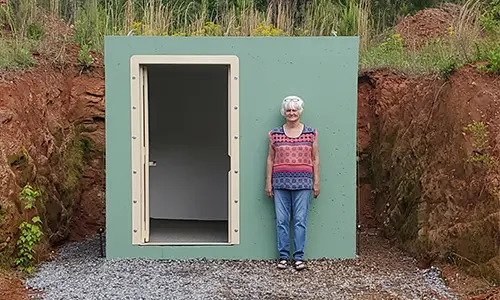
Start by assessing soil composition, drainage behavior during heavy rain, and the size of the yard. This helps determine whether an above-ground safe room such as the reinforced safe room options or an in-ground storm shelter from the underground shelter collection is the best fit. Next, consider how many people the shelter must hold and whether it will accommodate medical equipment, or emergency supplies. These decisions also influence ventilation needs, design structure, and storm shelter air vents.
Once you understand your requirements, consult a licensed installer to verify compliance with FEMA guidelines and Alabama-specific building recommendations. Pro Tip: Avoid placing a shelter in low-lying areas where water tends to pool, since drainage issues are among the most common long-term problems.
Maintaining Your Shelter System
Once your shelter is installed, ongoing maintenance ensures it remains safe and functional during storm season. The purpose of this step is to identify small issues early, before they compromise the shelter’s integrity or reliability during an emergency.
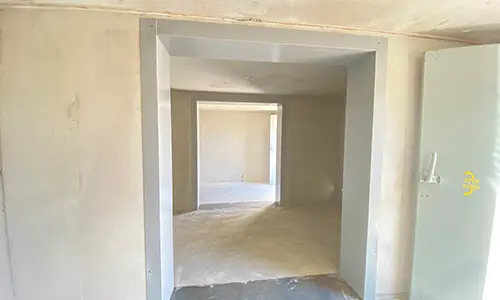
Start with a quarterly inspection following a simple checklist: check for moisture buildup, inspect seals around the door, test ventilation fans if installed, and verify that emergency supplies are clean and accessible. Alabama’s humidity increases the risk of mildew, so ventilation and moisture control are essential. Wipe down surfaces and consider a dehumidifier pack if dampness is noticeable.
Next, assess the drainage system around the shelter. Heavy rain can create pressure against underground storm shelters or cause leaks if vents clog. A quick cleaning after severe storms helps maintain long-term structural integrity. Pro Tip: Schedule a professional inspection once per year, since licensed installers can identify structural shifts or stress points homeowners may overlook.
Improving Your Shelter Safety
The goal of this step is to enhance usability and improve preparedness, making your backyard storm shelter even more effective during emergencies. Once your shelter is fully functional, it’s time to focus on organization, accessibility, and practical upgrades.
First, keep the entrance clear year-round. Trim shrubs, remove bulky décor, and maintain a clutter-free pathway so nothing slows you down during an emergency. Next, organize the interior with labeled bins containing essentials like water, medications, flashlights, and batteries. Restock supplies twice a year, ideally before and after Alabama’s peak tornado seasons.
Consider upgrades such as backup lighting, weather radios, or added ventilation features. These small improvements make extended stays safer and more comfortable. Pro Tip: Practice entering the shelter with your family at least once a month to reduce panic and improve response time during real emergencies.
Practical Applications for Alabama Homeowners
After proper installation and routine maintenance, your backyard storm shelter becomes an essential part of your family’s safety plan. This section highlights how Alabama homeowners rely on their shelters during severe weather and how small upgrades can significantly improve the experience.
Many families use their shelters during tornado warnings, but they also depend on them during severe thunderstorms and high-wind events. One household reduced shelter-entry time by improving access and reorganizing supplies. Another added a battery-powered fan for better airflow during longer stays. Others store emergency tools and documents in waterproof containers to ensure accessibility after major storms.
These examples show how versatile a backyard storm shelter can be when properly cared for. Whether you choose a diy storm shelter or explore professionally built storm shelters for sale, consistent maintenance ensures long-term safety and reliability.
Best Practices for Long-Term Storm Shelter Safety
Because Alabama experiences multiple storm cycles every year, consistent habits protect your shelter’s performance. This section introduces effective practices that help reduce maintenance issues and enhance safety for your backyard storm shelter.
- Keep drainage clear year-round: Debris buildup can trap moisture and increase pressure against an in ground storm shelter.
- Store emergency supplies strategically: Place vital items like flashlights, radios, and bottled water where they are easy to reach.
- Inspect seals and hinges regularly: Humidity and temperature changes stress doors and hardware. Tightening bolts and resealing edges prevents drafts, leaks, and corrosion.
- Avoid storing gasoline or chemicals inside: Hazardous materials reduce air quality and produce harmful fumes. Keep the shelter dedicated to emergency necessities only.
Together, these practices help your shelter stay dependable and storm-ready through Alabama’s unpredictable weather.
Staying Safe with a Reliable Backyard Storm Shelter
A backyard storm shelter brings peace of mind and reliable protection when severe weather threatens. By understanding storm shelter installation, staying consistent with maintenance, and improving interior safety features, you ensure your shelter remains dependable for years.
Use what you’ve learned here to build a safer, more resilient home. Even small improvements make a meaningful difference during emergencies. Homeowners comparing different storm protection options often look at above ground shelter designs or consider durable concrete shelter models. For those researching pricing, the storm shelter installation cost guide provides helpful insight.
Frequently Asked Questions
1. How much does a backyard storm shelter cost in Alabama?
Most Alabama installations vary in price depending on size, materials, soil conditions, and accessibility. Many homeowners evaluate how much does a storm shelter cost before planning their project. In-ground storm shelter designs often provide long-term value and strong debris protection.
2. What type of storm shelter is best for Alabama tornadoes?
Both in-ground and above-ground shelters can be effective when built according to FEMA guidelines. In-ground units offer strong protection, while above-ground safe rooms provide easier access. The best choice depends on yard layout, drainage, and personal needs.
3. How often should a storm shelter be inspected?
Inspections should occur every three months. Annual professional inspections help identify structural issues, moisture accumulation, and ventilation concerns to keep your shelter storm-ready.
4. Can a storm shelter flood during heavy rain?
Yes, it can. Flooding occurs most often when drainage is insufficient or clogged. Clearing drains, adjusting soil grading, and considering sump systems greatly reduces the risk for underground storm shelters.
5. What supplies should I keep in my backyard storm shelter?
Families typically store flashlights, water, first aid supplies, medications, blankets, battery-powered fans, and a weather radio. Keeping items organized ensures quick access during emergencies, especially during Alabama’s active storm seasons.