Installing a FEMA-Approved Storm Shelter

The Importance of Proper FEMA Storm Shelter Installation in Alabama
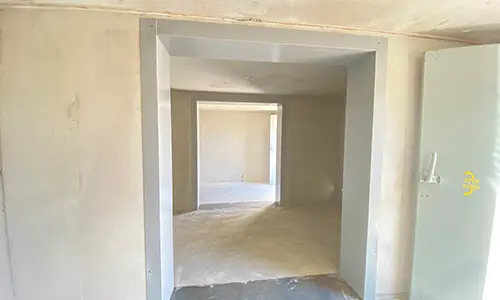
Alabama families know how quickly a calm afternoon can turn into a dangerous weather event. When tornado sirens sound, having a reliable place to shelter is life-saving. That is why many homeowners investigate FEMA storm shelter installation as a long-term solution. These shelters are engineered safe spaces designed to withstand extreme winds, flying debris, and structural impacts.
Many homeowners do not know what it takes to install a FEMA-approved shelter correctly. Questions about foundations, ventilation, certification, and local Alabama requirements often create confusion. Installing a shelter that looks safe is not enough; meeting FEMA P-361 and ICC-500 standards is what ensures the shelter performs under real storm conditions.
This guide walks through what FEMA approval means, why proper installation matters, and the steps Alabama homeowners should expect during a compliant installation.
Why Proper FEMA Storm Shelter Installation Matters
When a storm shelter is designed and installed to FEMA standards, it becomes a dependable refuge capable of withstanding extreme weather. FEMA approval reflects engineering, construction, and testing requirements built to protect occupants during the most severe tornadoes. For Alabama homeowners, where strong tornadoes are possible, this level of protection matters.
Proper installation delivers several key benefits:
- Maximum impact resistance during high-wind events
- Reduced risk of structural failure from poor anchoring or substandard materials
- Adequate ventilation even when doors are sealed
- Compliance with Alabama building codes and local safety requirements
Site preparation, soil type, and foundation condition are often underestimated factors. A shelter that is merely bolted down may still fail without the correct anchoring systems and foundation design tailored to the selected model. Likewise, incorrect door installation or inadequate vents can undermine performance.
Core Steps in FEMA Storm Shelter Installation
Preparing Your Site for Safety
Preparing the installation site ensures the ground, location, and surroundings support long-term structural stability. Installers evaluate soil type, drainage, and proximity to utilities. These factors influence safety and code compliance, especially given Alabama’s varied terrain.
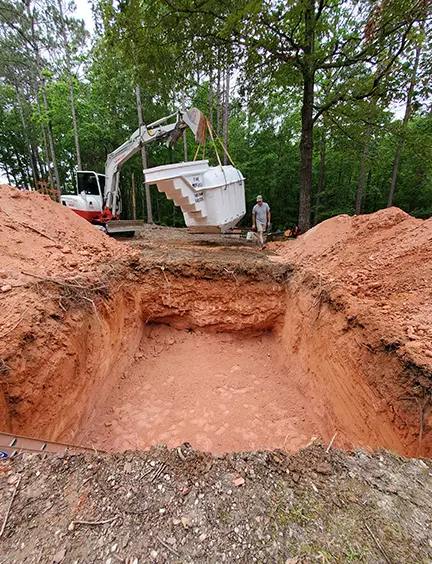
After evaluation, contractors level the ground, remove debris, and test soil density to determine if extra reinforcement is required. Markings guide excavation or placement of an above-ground foundation pad.
Pro Tip: If your yard experiences pooling water, choose a higher location or elevate the pad to reduce hydrostatic pressure during heavy rains.
Anchoring the Shelter to Bedrock or Reinforced Slab
Anchoring is critical to meeting FEMA standards. The goal is to keep the shelter fixed against uplift, rolling, or displacement during impact. Installers drill, bolt, and secure heavy-duty anchors into reinforced concrete or bedrock as required by the shelter design. For below-ground units, anchoring may include welded brackets or embedded steel reinforcement.
Each anchor is installed to manufacturer specifications with torque verification. Proper anchoring prevents the shelter from shifting or lifting when debris impacts the exterior during high winds.
Pro Tip: Request torque-certification sheets from your installer to document anchor pressure readings for safety records and warranty purposes.
Testing Ventilation and Emergency Access
Ventilation keeps air moving even if doors remain closed for extended periods. Installers verify intake and exhaust vents meet FEMA minimums, check mesh screens, and confirm debris cannot penetrate ventilation channels. Clear, reliable airflow also reduces condensation and mildew inside an underground storm shelter.
Emergency access testing includes verifying door swing, latch operation, and pressure ratings in compliance with FEMA P-361. Hinges, locks, and emergency release mechanisms are checked to ensure they will not jam or fail under stress.
Pro Tip: Test doors and vents monthly, especially during Alabama’s peak tornado season.
Real-World Applications for Alabama Homeowners
Different property types call for different FEMA-compliant approaches.
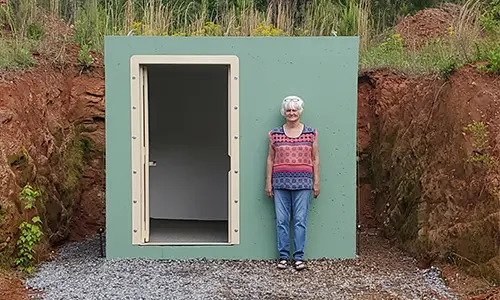
- Rural homes: Properly installed underground storm shelters provide secure, low-visibility protection while minimizing the visual impact on the property.
- Urban homes: Above ground storm shelter units placed inside garages or on reinforced pads deliver accessible, fast-entry options for families and those with mobility concerns.
- Waterfront and lakefront properties: Reinforced concrete pads and elevated placements help prevent water intrusion while maintaining FEMA compliance near bodies of water.
In each case, tailoring the installation to soil conditions, property layout, and family needs produces the best long-term performance.
Best Practices for a Reliable FEMA Shelter Installation
Follow these practices to ensure your shelter performs when you need it:
- Choose certified installers only: Contractors experienced with FEMA P-361 and ICC-500 standards reduce installation risk and provide needed documentation.
- Inspect foundation conditions annually: Check pads and slabs for cracks, erosion, or pooling water that could affect anchoring.
- Maintain door hardware: Lubricate hinges, exercise latches, and test emergency releases on a regular schedule.
- Keep ventilation pathways clear: Trim vegetation, clear debris, and inspect screens before each storm season.
- Document installation details: Keep records of manufacturer specs, torque readings, and contractor certifications for insurance and resale value.
Comparing Shelter Types and Costs
Homeowners commonly weigh underground storm shelter options against above ground storm shelter models. Both provide FEMA-level protection when properly installed.
- Underground storm shelter: Often offers strong natural wind protection and may be preferred for larger lots with suitable soil.
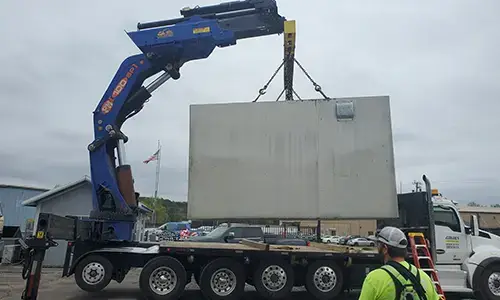
- Above ground storm shelter: Installable on existing slabs or in garages, these units can be more accessible and quicker to install.
Storm shelter cost varies with type, size, site preparation, and materials. Typical factors that affect storm shelter cost include excavation depth, concrete requirements, anchoring complexity, ventilation systems, and door assemblies. For a detailed look at foundation options and how they affect cost, consult the comprehensive guide to strong foundations and installation practices.
Building Safety and Confidence for Alabama Families
Installing a FEMA-approved storm shelter is among the most effective ways to protect your family during Alabama’s severe weather. With correct site preparation, anchoring, ventilation testing, and certified installation, your shelter becomes a dependable refuge.
If you plan to move forward, consider design options such as reinforced safe rooms for interior protection, above ground shelter models for garage installation, or unpainted concrete units for durable, low-maintenance performance. Explore underground shelter options for properties suited to in ground storm shelter solutions, or evaluate community shelter configurations for shared facilities.
Helpful Resources
For authoritative guidance and safety standards consult FEMA and the National Weather Service. For practical product and installation examples, review resources covering reinforced safe-room designs, above-ground steel models, unpainted concrete configurations, underground shelter options, community shelter layouts, and strong foundation recommendations.
- Reinforced safe-room designs: safe-room construction options
- Above-ground steel models: above-ground shelter solutions
- Unpainted concrete configurations: concrete above-ground shelter model
- Underground shelter options: underground shelter collection
- Community shelter layouts: community shelter designs
- Foundation guidance: strong foundation recommendations
Frequently Asked Questions
- Is a FEMA storm shelter required to meet specific installation standards?
Yes. FEMA P-361 and ICC-500 set the standards for design, anchoring, ventilation, and construction to ensure shelters perform under extreme wind and debris impact conditions. - How long does FEMA storm shelter installation typically take?
Installation time depends on type: an above ground storm shelter can often be placed in a few hours on a prepared slab, while a full underground installation may take a full day or longer depending on excavation and foundation work. - Can I install a FEMA storm shelter inside my garage?
Yes. Many homeowners install above ground storm shelter units on existing garage slabs, provided the slab meets thickness and reinforcement requirements. - What size shelter should I install?
Size depends on the number of occupants and storage needs. FEMA guidance on minimum space per person helps determine whether you need a small residential shelter or a larger safe room construction.
Are underground shelters safer than above ground models?
Both underground and above ground storm shelters provide safety when installed to FEMA standards. The best option depends on soil, accessibility, mobility needs, and property layout.