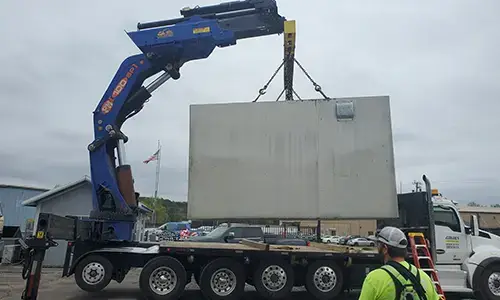
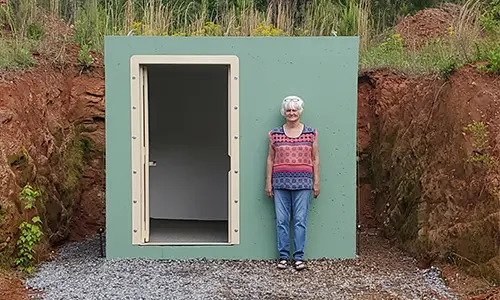
Storm Shelter Door Installation: Safety Starts Here

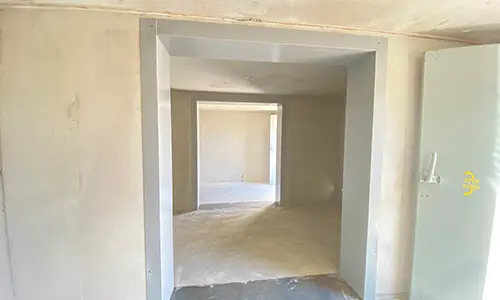
How to Ensure Your Storm Shelter Door Protects Alabama Homes
When severe weather hits without warning, the most important question is simple: Is your storm shelter truly ready? Many Alabama homeowners assume their shelter is secure, only to discover the storm shelter door needs reinforcement, repair, or full replacement. Without a dependable door, even the strongest shelter can fail during a tornado or extreme wind event.
A properly installed storm shelter door is more than a piece of metal or hardware. It is a safety system that protects your family, and your peace of mind. When installed correctly, it can withstand intense pressure, flying debris, and unpredictable impact. When installed poorly, however, it can create dangerous vulnerabilities.
In this guide, you’ll learn everything you need to know about storm shelter door installation, from benefits and requirements to step-by-step directions and best practices. You’ll also find practical insights tailored specifically for Alabama homes and local storm patterns.
By the end, you’ll know how to ensure your shelter door is secure, reliable, and fully storm-ready, so when the skies darken, you can feel confident your family is protected.
Why Proper Storm Shelter Door Installation Matters
A storm shelter door is your first line of defense when tornado winds or debris strike. While the shelter structure itself is vital, the door is uniquely important because it is the only movable component and the first point exposed to pressure, impact, and force. If it fails, the entire shelter becomes compromised.
Proper storm shelter door installation ensures several important outcomes:
- Reduces the risk of impact failure by properly securing the frame, hinges, and lock system
- Improves overall stability with reinforced bolts and hardware that remain aligned under pressure
- Enhances visibility and accessibility during emergencies where seconds matter
- Increases long-term durability by preventing corrosion, misalignment, and weather damage
Many homeowners underestimate how much strain a door experiences during a tornado. Misaligned hinges, weak bolts, or outdated materials can create dangerous conditions. A heavy door alone does not ensure safety. True strength comes from correct installation, reinforcement, and adherence to guidelines from FEMA, not just weight.
With this understanding in place, you can move into the essential steps that make a storm shelter door strong, secure, and ready for Alabama’s unpredictable storms.
How to Install a Storm Shelter Door the Right Way
This section outlines the core steps involved in installing a reliable storm shelter door. Each step contributes to a safer, stronger, and more dependable entry point for all types of storm shelters for homes.
Step 1: Remove Existing Door Safely and Correctly
The purpose of this step is to safely detach the current storm shelter door without damaging the frame or structure. Start by ensuring the shelter is clear and well lit. Examine hinges, bolts, and mounting hardware to understand how the old door is secured. Then remove fasteners in a top-to-bottom sequence to prevent sudden shifting or weight drops.
If the door sticks, avoid forcing it. Corrosion and pressure changes can cause resistance. Apply a penetrating lubricant to loosen older hardware. After removal, inspect the frame for rust, misalignment, or wear. This sets the foundation for a precise installation.
Pro Tip: Photograph the old hardware layout before removal to simplify reference later.
Step 2: Prepare the Door Frame for Proper Mounting
This step ensures the frame is reinforced and ready for new hardware. Clean the frame thoroughly and remove rust, debris, or old sealant. Use a straightedge tool to check alignment and correct any irregularities. Apply rust-resistant primer or sealant depending on the frame material.
Next, mark hinge and bolt hole locations according to the new door’s specifications. Accurate placement ensures the new door seals tightly when closed and prevents drafts or pressure gaps.
Pro Tip: If upgrading to a FEMA-rated door, confirm the frame meets all compatibility requirements.
Step 3: Install Hinges and Reinforcement Hardware
Here, the goal is to create strong, stable support for the door’s full weight. Begin by attaching heavy-duty hinges to the marked areas with reinforced bolts that meet manufacturer recommendations. Tighten hardware evenly to prevent torque problems.
Install reinforcement brackets, strike plates, or additional mounting components that enhance impact resistance. Proper hinge placement ensures the storm shelter door operates smoothly and remains secure during intense wind loads.
Pro Tip: Test hinge operation before mounting the door to avoid rework later.
Step 4: Mount the Door and Check for Secure Fit
In this step, the door is attached to the hinges and tested for smooth, reliable motion. With assistance, lift the door into position and align it with hinge pins. Open and close the door several times to identify any scraping or misalignment.
Test the locking mechanism to confirm a tight and secure seal. The door should sit flush against the frame, without visible gaps.
Pro Tip: Avoid over-tightening hinge bolts because excessive pressure can distort the door frame.
Step 5: Seal, Secure, and Test the Door for Safety
This final step ensures the installation meets safety expectations. Apply weather-resistant sealant along the edges to block moisture and debris. Tighten all hardware, test the latch system, and confirm the storm shelter door latch engages cleanly.
Perform a pressure test by closing the door firmly and checking for movement or gaps. Then simulate an emergency by opening and closing it quickly. A reliable storm shelter door must function perfectly even under stress.
Pro Tip: Schedule professional annual maintenance, especially in high-storm regions like Alabama.
Real-World Applications of Proper Door Installation
Understanding the steps is helpful, but real-world examples show what proper installation looks like in Alabama homes.
Example 1: Rural Residential Shelter
A family in central Alabama upgraded to a new FEMA-rated model. The reinforced design eliminated airflow gaps and dramatically increased durability. During the next storm season, the shelter remained stable despite nearby structural damage.
Example 2: Underground Backyard Shelter
An older underground shelter had a corroded door that no longer sealed correctly. Installing a steel replacement door with reinforced hardware improved debris protection and reduced interior moisture by 40 percent. Similar underground models can be found through the underground shelter options available to homeowners.
Example 3: Small Business Worker Shelter
A retail store replaced an outdated door with a high-security latch system and sealed frame. Entry during drills became faster and reliability improved significantly.
These examples show how proper storm shelter door installation enhances safety and usability for different types of structures, from backyard options to community setups similar to the community shelter designs used in larger facilities.
Best Practices and Common Storm Shelter Door Mistakes
Because your storm shelter door is critical for safety, avoiding common mistakes ensures long-term performance.
- Use FEMA-rated materials for proven impact resistance
- Avoid DIY shortcuts that weaken reinforcement
- Inspect hinges, bolts, and seals regularly
- Ensure proper sealing along all edges
- Replace worn hardware at the first sign of degradation
Following these best practices keeps your storm shelter performing reliably in Alabama's unpredictable climate.
Reinforce Safety with Proper Door Installation
A secure storm shelter door is one of the most important protections you can put in place for your Alabama home. With proper installation, reinforced hardware, and dependable sealing, you strengthen your shelter against the unpredictable force of tornadoes and high winds.
If you are exploring additional storm protection solutions, you may also consider options like above ground shelter models or durable unpainted concrete shelter designs. For full installation guidance, the step-by-step overview provided in the storm shelter installation process guide is a helpful resource.
Your family’s safety is worth the investment, and proper storm shelter door installation ensures your shelter is ready when you need it most.
Frequently Asked Questions
1. Is a FEMA-approved storm shelter door necessary in Alabama?
Yes. Alabama’s tornado activity makes FEMA-rated doors highly recommended. These models undergo testing for wind pressure and debris impact, providing stronger protection and meeting recommended safety standards.
2. How long does storm shelter door installation typically take?
Most professional installations take two to four hours, depending on the shelter’s condition and door type. More complex installations or extensive reinforcement may require additional time.
3. Can I install a storm shelter door myself?
DIY installation is possible but not ideal. Mistakes with hinge placement, bolt selection, or sealing can create dangerous weaknesses. Professional installers ensure full compliance with safety requirements.
4. How often should I replace a storm shelter door?
Most doors last 10 to 20 years depending on climate and usage. Alabama’s humidity can accelerate wear, making regular inspections essential.
5. What type of storm shelter door is best for Alabama homes?
Steel, reinforced, or FEMA-rated storm shelter doors perform best in tornado-prone regions. Choose a style compatible with underground models, above-ground units such as the strong safe-room options, or other storm shelters for homes depending on your setup.