FEMA Storm Shelter Guidelines Explained

Why Following FEMA Storm Shelter Guidelines Saves Lives in Alabama
If you live in Alabama, you know how quickly a calm day can turn into a life threatening storm. Tornadoes strike with little warning, and without proper protection, even durable homes can become unsafe. That is why understanding FEMA storm shelter guidelines is essential. These standards are not just technical recommendations, they are carefully engineered rules designed to withstand extreme winds, debris impact, and structural collapse.
Many people assume any reinforced room qualifies as a tornado safe space, but FEMA’s research backed standards go far beyond basic construction. These requirements help ensure a shelter performs reliably during EF 4 or EF 5 tornadoes, greatly increasing survival chances. When you follow them, you are not simply complying with a guideline, you are safeguarding your family’s lives.
By the end of this guide, you will understand what FEMA recommends, what Alabama homeowners should prioritize, and how to make confident decisions about creating or upgrading a shelter that meets the highest safety levels.
What FEMA Storm Shelter Guidelines Really Mean
FEMA storm shelter guidelines define minimum construction and safety standards for safe rooms that protect occupants during extreme weather events. These standards appear primarily in FEMA P 361 and detail everything from wall strength to debris resistance, ventilation, anchoring, and connection systems.
These guidelines matter because shelters that seem strong during normal conditions often fail under tornado level forces. FEMA’s engineering based requirements help ensure consistent performance even in catastrophic events.
Key results of following FEMA shelter standards include:
- Capacity to withstand winds exceeding 250 mph
- Reduced risk of roof or wall collapse
- Strong defenses against high speed debris impacts
- Maximized survival chances during the strongest tornadoes
A common misconception is that FEMA certifies shelters. FEMA does not issue certifications. Instead, shelters are built in compliance with FEMA recommendations and may be reviewed by independent engineers to verify standards.
FEMA Shelter Requirements Explained Step-by-Step
Below is a clear, expanded breakdown of the core FEMA storm shelter requirements.
Step 1: Understand Wind Load Requirements
The first requirement is understanding wind loads. Tornado winds create uplift, suction, and intense horizontal forces. FEMA safe rooms must withstand winds up to 250 mph, which far exceeds traditional building code standards.
Engineers use reinforced materials and strong anchoring systems to meet these loads. Without this level of structural preparation, even well built rooms can collapse.
Pro Tip: Ask your builder for engineering documents proving compliance.
Step 2: Choose FEMA Approved Materials
Material selection determines whether your safe room can withstand wind pressure and debris impact. FEMA often recommends reinforced concrete or steel construction to achieve these requirements.
Materials must also be tested for missile impact, simulating debris thrown at speeds over 100 mph. Choosing high grade, tested materials supports FEMA tornado shelter performance under real conditions.
Pro Tip: Avoid wood based materials unless they are tested and proven impact resistant.
Step 3: Secure Proper Anchoring and Connections
Anchoring is crucial for stability. Even strong walls are ineffective if the base connection fails. FEMA requires heavy duty anchors and precise spacing calculations to resist uplift and lateral movement.
Installers use high strength bolts, embedded anchor plates, or welded systems to lock the shelter to its foundation.
Pro Tip: Request installation photos showing anchor placement.
Step 4: Strengthen Door, Frame, and Hardware
Doors are historically the weakest point in shelters. FEMA requires safe room doors to undergo the same missile impact testing as walls. This includes resisting 15 pound 2x4 projectiles traveling over 100 mph.
A FEMA approved storm shelter door includes:
- Reinforced steel frames
- Impact tested hardware
- Multi point locking mechanisms
Pro Tip: Never use standard household doors for a tornado shelter.
Step 5: Ensure Ventilation and Emergency Access
Ventilation protects against oxygen depletion during long tornado events. FEMA requires small, impact protected vents that maintain airflow without creating structural vulnerabilities.
Shelters must also feature emergency exit solutions if the main door becomes obstructed.
Pro Tip: Choose a design with dual vent placement to support airflow and safety.
Practical Ways to Use These FEMA Guidelines
With a clear understanding of FEMA requirements, homeowners can evaluate and choose shelters confidently. These real world use cases show how FEMA tornado shelter guidelines influence decisions.
Use Case #1: Residential Tornado Shelter
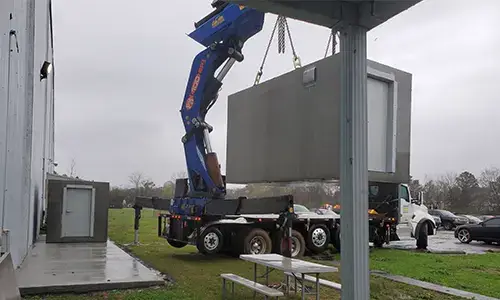
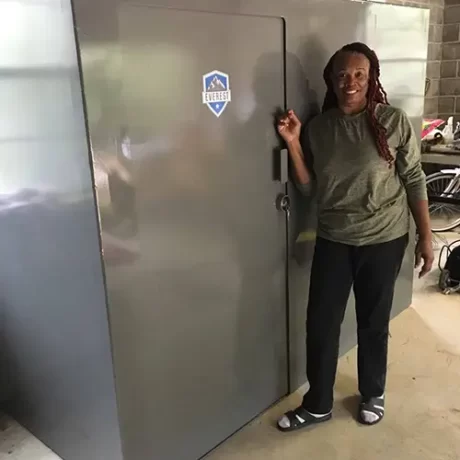
A family in central Alabama builds a steel safe room in their garage using FEMA P 361 standards. Reinforced doors, strong anchoring, and proper ventilation give them reliable protection during severe tornado outbreaks. Homeowners researching garage installations can review helpful examples on the garage storm shelter guide.
Use Case #2: Community or Workplace Safe Rooms
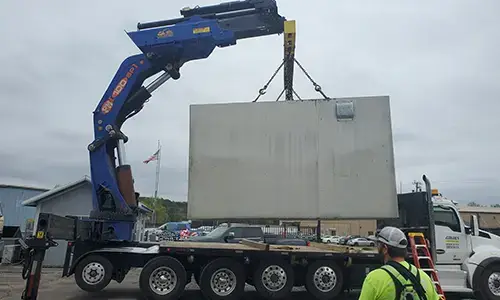
Schools and businesses follow FEMA guidance to create community shelters built from reinforced concrete. These facilities protect large groups and often tie into local emergency response plans. For organizations planning larger builds, options such as community storm shelters provide strong reference points.
Use Case #3: Rural Homestead Shelter
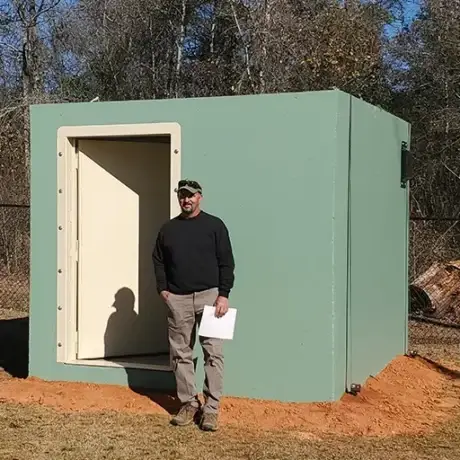
Rural homeowners often install standalone units designed to FEMA standards. These may be above ground or buried units, both of which require impact rated doors and reinforced construction. Homeowners exploring structural types can compare above ground shelters and underground shelters to find the right option.
Best Practices to Maximize FEMA Compliance
Following FEMA safe room guidelines effectively requires attention to detail and careful planning.
Conduct a Pre-Build Site Assessment
Assess soil condition, drainage, and emergency access routes before building. Poor site selection compromises shelter safety and can create flooding risks.
Use Only Tested Door Assemblies
Most shelter failures occur at the door. Impact rated doors certified under FEMA testing are essential for maintaining structural integrity.
Follow Engineering Plans Exactly
Even small deviations in reinforcement spacing or anchor placement can compromise a shelter. Builders must adhere strictly to engineered drawings.
Schedule Regular Maintenance Checks
Inspect hinges, seals, anchors, and vents annually. Alabama’s humidity and weather fluctuations can accelerate wear.
Document Every Part of Construction
Photos, engineering reports, and receipts support long term safety and increase property value.
Final Thoughts on FEMA Storm Shelter Guidelines in Alabama
Understanding and following FEMA storm shelter guidelines empowers Alabama homeowners to make smart, protective decisions. These standards ensure your shelter can withstand the most dangerous tornado risks. By applying FEMA guidance from material selection to anchoring and ventilation, you create a secure, durable safe room that protects your family when it matters most.
Whether you are building a new shelter or upgrading an existing one, work with qualified professionals who understand FEMA requirements and local Alabama safety needs. For general emergency preparedness guidance, the national recommendations from Ready.gov and local resources from Alabama.gov can also support your planning.
To explore design options, you can review residential models such as safe rooms or compare finishes through examples like the unpainted concrete above ground storm shelter. Each type follows similar FEMA principles when engineered correctly.
Frequently Asked Questions
1. Is a FEMA-approved storm shelter required in Alabama?
FEMA does not mandate shelters, but many Alabama homeowners choose FEMA compliant designs for maximum protection and higher structural reliability.
2. How thick should FEMA compliant storm shelter walls be?
Thickness varies by design, but reinforced concrete or steel systems capable of resisting 250 mph wind loads are recommended. Engineers must specify exact dimensions.
3. Can a garage storm shelter meet FEMA standards?
Yes. Many garage installed safe rooms meet FEMA guidelines when properly anchored, reinforced, and fitted with impact rated doors.
4. Do FEMA storm shelters protect against flying debris?
Yes. FEMA P 361 requires shelters to withstand high speed projectile impacts, including 15 pound 2x4s traveling more than 100 mph.
5. How much does a FEMA compliant shelter cost in Alabama?
Costs vary by materials and size, but typical residential units range from $4,000 to $10,000. Larger community shelters cost more and require additional engineering.